admin

Lake Nakuru Day Trip from Nairobi

Lake Nakuru Day Trip from Nairobi: Flamingos, Rhinos & the Great Rift Valley

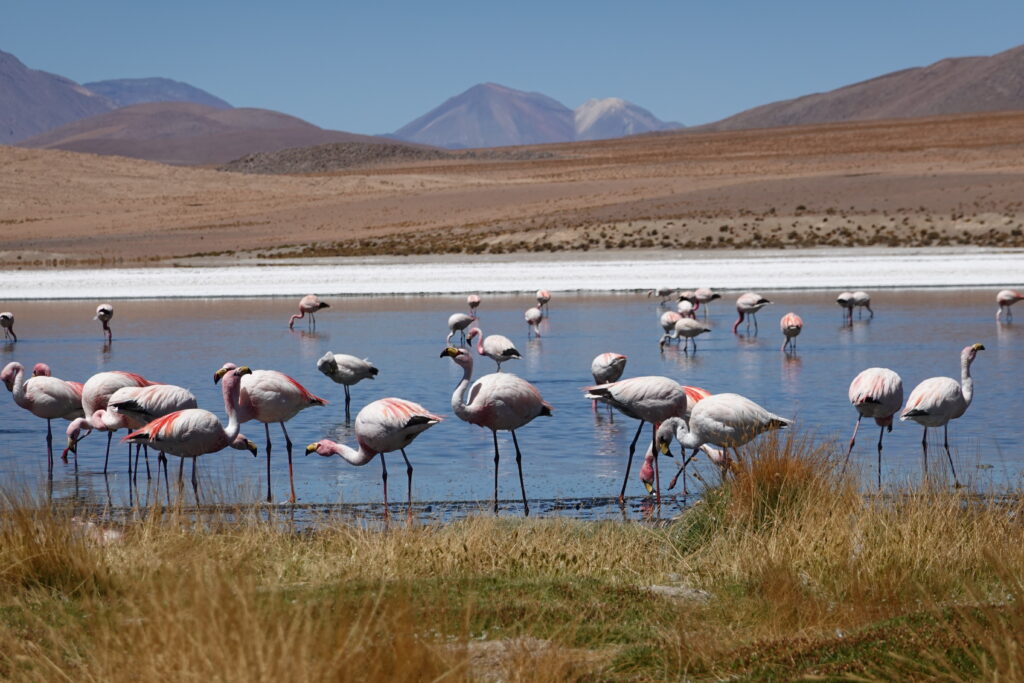
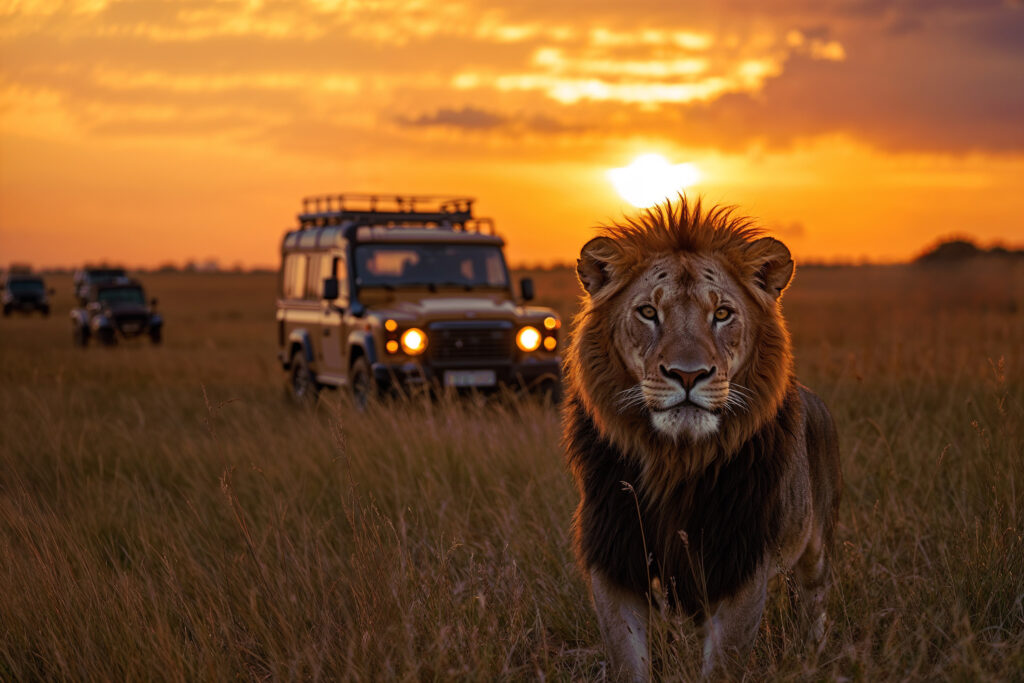
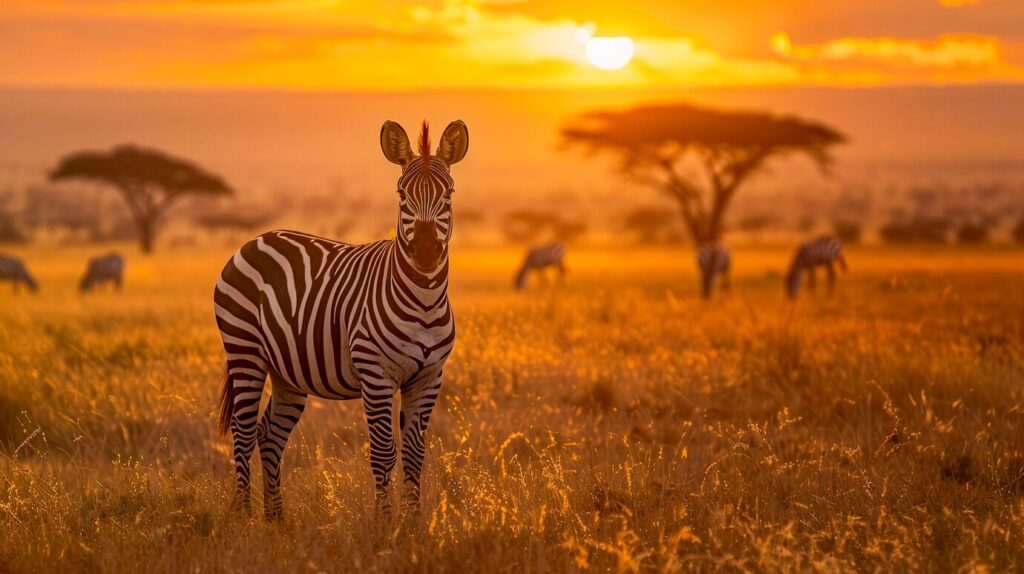
If you only have one day to spare but still want a real taste of Kenya’s wildlife and scenery, Lake Nakuru National Park is hard to beat. It’s close enough to Nairobi for a comfortable single-day trip, packs in one of Africa’s best rhino sanctuaries, and when conditions are right puts on one of the most photographed wildlife spectacles on the continent: a shoreline turned pink by thousands of flamingos. Here’s what to expect from a Lake Nakuru day trip, and how to make the most of it. Where it is and how far Lake Nakuru National Park sits inside the Great Rift Valley, roughly 140–160 km northwest of Nairobi about a 2.5 to 3-hour drive each way. That makes it one of the most accessible of Kenya’s major parks for a genuine day trip, without the early 4 AM starts or overnight logistics that places like Amboseli or the Maasai Mara require. The drive itself is part of the experience: leaving the city, the road climbs and then drops into the Rift Valley, with viewpoints along the way offering sweeping views of the valley floor, dormant volcanoes, and scattered lakes below. Why Lake Nakuru is worth the trip A serious rhino sanctuary. Lake Nakuru is one of the best places in Kenya to see both black and white rhino in the wild the park is a dedicated sanctuary for both species, and sightings here are considerably more reliable than in many larger, more famous parks. The flamingo spectacle (when the conditions line up). Lake Nakuru’s alkaline waters have long been famous for drawing enormous flocks of lesser flamingos, sometimes turning the shoreline a vivid pink. Flamingo numbers shift with the lake’s water levels and algae supply from year to year, so it’s worth asking your operator about current conditions before you go but even in quieter years, the lake holds pelicans, herons, cormorants, and a long list of other waterbirds among the park’s 400-plus recorded species. Big cats and more. Beyond rhinos and birdlife, the park is home to lions, leopards, giraffes (including the localized Rothschild’s giraffe), buffalo, zebra, and baboons. One notable absence: Lake Nakuru has no elephants, so if elephants are your priority, pair this trip with Amboseli or the Maasai Mara instead. Rift Valley scenery. The park’s mix of acacia woodland, grassy plains, cliffs, and the lake itself all framed by the Rift Valley escarpment makes it a rewarding stop for photography beyond just the wildlife. What a day trip looks like Early morning pickup from your Nairobi hotel or residence, typically between 6:00 and 7:00 AM to make the most of the day and beat traffic leaving the city. Scenic drive through the Great Rift Valley, usually with a stop at a viewpoint for photos before descending toward Nakuru. Morning game drive inside the park prime time for spotting rhinos, lions, and other wildlife while temperatures are cool and animals are active. Lakeshore stop to see the flamingos and other waterbirds up close. Picnic lunch at a scenic spot within the park. Afternoon game drive on the way out, covering different sections of the park for a last chance at giraffes, zebras, and anything missed in the morning. Return to Nairobi, arriving back in the city by early evening. Best time to visit Lake Nakuru is a rewarding destination year-round, but a few things shift by season: Because flamingo presence depends on the lake’s chemistry and water level rather than a fixed calendar, it’s worth checking current conditions with a local operator rather than relying on general seasonal advice alone. Tips for your visit Booking your Lake Nakuru day trip Because it’s doable comfortably in a day, Lake Nakuru is a popular choice for travelers on a layover, a short Nairobi stay, or anyone looking to combine a serious wildlife encounter with minimal time investment. Michoore Tours & Travel runs private day trips to Lake Nakuru National Park from Nairobi, with return transport, a picnic lunch, and an experienced driver-guide included. Book your Lake Nakuru day trip with Michoore

Lake Nakuru Day Trip from Nairobi: Flamingos, Rhinos & the Great Rift Valley Read More »

Amboseli National Park Safari from Nairobi

Amboseli National Park Safari from Nairobi: The Complete 2-Day Guide

If there’s one photograph that sums up an African safari, it’s an elephant herd walking across open grassland with Mount Kilimanjaro rising behind them. That shot is basically Amboseli National Park’s signature and it’s one of the easiest big-name parks to reach from Nairobi, making it a favorite for travelers who don’t have two weeks to spare but still want a proper Big Five experience. Here’s everything you need to know before booking a 2-day Amboseli safari from Nairobi. Why Amboseli, and why 2 days? Amboseli is roughly 240 km southeast of Nairobi about a 3.5 to 4-hour drive. That’s too far for a comfortable single-day round trip if you actually want time in the park, so most operators (Michoore included) run it as a 2-day, 1-night safari: drive down in the morning, afternoon game drive, overnight at a lodge or tented camp near the park, then a full morning game drive before heading back to Nairobi. Two days gives you two game drives at the best wildlife-viewing times early morning and late afternoon instead of the flat, hot midday light you’d be stuck with on a rushed single-day trip. What makes Amboseli different from other Kenyan parks What you’ll likely see Elephants are the headline act, but Amboseli’s open plains and swamp edges are also reliable for lions, cheetahs, giraffes, buffalo, hippos, and well over 400 recorded bird species. Rhino numbers are low here if that’s a priority, pair Amboseli with a park like Ol Pejeta instead. Best time to visit A typical 2-day itinerary Day 1 Early departure from Nairobi (roughly 6:00–7:00 AM to beat traffic), with a stop en route. Arrive at Amboseli by lunchtime, check in, and head out for an afternoon game drive as temperatures cool and animals become more active. Day 2 Early morning game drive this is prime time for both wildlife activity and clear Kilimanjaro views before clouds roll in. Breakfast back at the lodge, then the drive back to Nairobi, typically arriving by mid-afternoon. What to pack Neutral-colored clothing, a hat and sunscreen, binoculars if you have them, a light jacket for cool early mornings, and a good camera or phone with a solid zoom Kilimanjaro shots are worth getting right. Booking your Amboseli safari Amboseli’s distance from Nairobi means logistics matter: vehicle reliability, an experienced driver-guide who knows the park’s game-viewing circuits, and a well-located lodge all make the difference between a good trip and a great one. Michoore Tours & Travel runs 2-day private Amboseli safaris from Nairobi with all transport, park fees, and accommodation handled for you. Book your Amboseli safari with Michoore →

Amboseli National Park Safari from Nairobi: The Complete 2-Day Guide Read More »

Maasai Mara Safari from Nairobi: Complete Travel Guide

Maasai Mara Safari from Nairobi: Complete Travel Guide

A Maasai Mara safari from Nairobi is one of the best ways to experience Kenya’s incredible wildlife. Located in southwestern Kenya, the Maasai Mara National Reserve is famous for its beautiful savannah landscapes, abundant wildlife and the spectacular Great Migration. For travellers staying in Nairobi, the Mara is also convenient to reach by road or air. A road journey generally takes about 5–6 hours, while flights from Nairobi’s Wilson Airport can take around 45 minutes. Whether you are planning your first safari, a weekend getaway or a longer wildlife adventure, understanding the journey, accommodation, activities and best time to visit can help you plan a memorable trip. How Far Is Maasai Mara from Nairobi? The distance between Nairobi and the Maasai Mara is approximately 225–275 kilometres, depending on the route and gate you use. Travelling by road allows you to enjoy views of the Great Rift Valley and the Kenyan countryside along the way. Most road trips take approximately five to six hours, although traffic, stops and road conditions can affect the journey time. For travellers who prefer to save time, flying from Wilson Airport is another option. Flights can take approximately 35–45 minutes, making this a convenient choice for visitors with limited time. How to Travel from Nairobi to Maasai Mara There are two main ways to travel from Nairobi to the Maasai Mara: by road or by air. A road safari from Nairobi to Maasai Mara is often a popular choice because it allows travellers to enjoy the journey as part of the adventure. You can travel in a safari vehicle with a professional driver-guide and enjoy views of the Great Rift Valley before reaching the reserve. Flying is ideal for travellers who want to spend more time inside the Mara and less time travelling. Several airstrips serve different areas of the Maasai Mara, allowing visitors to stay closer to their chosen camp or lodge. What Can You See in Maasai Mara? The Maasai Mara is home to an impressive variety of wildlife. Visitors have the opportunity to see lions, elephants, leopards, cheetahs, buffaloes, giraffes, zebras, hippos and many species of birds. The reserve is also famous for the Great Wildebeest Migration, when large numbers of wildebeest and other grazing animals move through the Mara-Serengeti ecosystem. The main migration period is generally between July and October, although wildlife viewing in the Mara is possible throughout the year. How Many Days Do You Need in Maasai Mara? For first-time visitors, a 3-day Maasai Mara safari from Nairobi is a popular choice because it provides enough time for several game drives without requiring a long holiday. Current safari guides commonly recommend three days and two nights as a good balance between time, cost and wildlife viewing. A typical itinerary could involve travelling from Nairobi on the first morning, arriving in the Mara for lunch and enjoying an afternoon game drive. The second day can be dedicated to exploring the reserve, while the final morning can include an early game drive before returning to Nairobi. Travellers with more time can choose four, five or more days to explore different areas and enjoy a slower safari experience. Best Time for a Maasai Mara Safari The best time to visit Maasai Mara depends on what you want to experience. July to October is especially popular because it coincides with the Great Migration. August and September are often associated with spectacular wildlife activity, although the exact timing of migration events can vary from year to year. If you prefer fewer crowds, other months can also provide excellent wildlife experiences. The Mara has resident wildlife throughout the year, so you do not necessarily need to travel during migration season to enjoy a fantastic safari. Where to Stay in Maasai Mara Accommodation ranges from budget-friendly camps to comfortable mid-range lodges and luxury safari camps. Your choice will depend on your budget, preferred location and the type of experience you want. When choosing accommodation, consider its distance from the reserve or conservancy, included meals, game-drive arrangements and accessibility. Staying closer to the areas you want to explore can give you more time for wildlife viewing. Why Choose Michoore Tours & Travel? Planning a Maasai Mara safari from Nairobi is easier when you have an experienced tour operator to handle the important details. MICHOORE TOUR & TRAVEL offers safari experiences, private tours and transfers designed around different travel needs and budgets. Michoore Tours & Travel offers a 3–5 day Masai Mara private safari, as well as a Masai Mara transfer from Nairobi. The company focuses on creating personalised travel experiences and can help travellers organise transportation, accommodation and safari activities. Plan Your Maasai Mara Safari from Nairobi A Maasai Mara safari from Nairobi is an unforgettable way to experience Kenya’s wildlife and natural beauty. Whether you choose to travel by road or fly, a well-planned itinerary allows you to enjoy game drives, spectacular landscapes and the possibility of seeing some of Africa’s most famous wildlife. If you are ready to explore the Maasai Mara, Michoore Tours & Travel can help you plan a safari that matches your schedule, interests and budget. From a short safari to a longer private adventure, your journey to the Mara can be planned to give you a comfortable and memorable Kenyan safari experience.

Maasai Mara Safari from Nairobi: Complete Travel Guide Read More »

Planning a Kenya safari

Kenya safari cost

Planning a Kenya safari is an exciting experience, but one of the first questions most travellers ask is: How much does a Kenya safari cost? The answer depends on several factors, including the safari destination, number of days, accommodation, transportation, season and type of safari. In 2026, travellers can find Kenya safari packages ranging from affordable group trips to luxury private experiences. Generally, a budget Kenya safari can cost around USD 150–250 per person per day, while mid-range safaris can range from approximately USD 250–500 per person per day. Luxury safaris may cost USD 600–1,500 or more per person per day. These are broad estimates because every safari itinerary is different. What Determines the Cost of a Kenya Safari? The biggest factor affecting the cost of a Kenya safari is the level of accommodation. Budget travellers can choose campsites and simple tented camps, while mid-range travellers can enjoy comfortable lodges and tented camps. Luxury travellers can choose premium lodges, private conservancies and exclusive safari camps. The length of your trip also matters. A three-day safari will naturally cost less than a seven-day or ten-day safari. However, longer trips can sometimes offer better value because transportation and guide costs are spread across more days. Your choice of destination also affects the final price. Popular destinations such as the Maasai Mara National Reserve can be more expensive during peak travel periods, especially around the Great Migration. Other destinations, including Amboseli, Lake Nakuru and Tsavo, can offer different price points depending on accommodation and season. Budget Kenya Safari Cost A budget safari is a good option for travellers who want to experience Kenya’s wildlife without spending too much. Prices can start at approximately USD 150–250 per person per day, depending on the itinerary and inclusions. Budget safaris commonly use shared safari vehicles, basic accommodation and group game drives. They can be particularly suitable for solo travellers, students, backpackers and travellers who are more interested in wildlife experiences than luxury accommodation. Choosing a group safari, travelling during lower-demand periods and selecting affordable accommodation can help reduce your overall safari cost. Mid-Range Kenya Safari Cost For travellers looking for a balance between comfort and affordability, a mid-range Kenya safari is often the most popular option. Prices generally range from around USD 250–500 per person per day. Mid-range packages may include comfortable lodges or tented camps, meals, game drives, park fees, transportation and a professional driver-guide. Depending on the itinerary, travellers can combine destinations such as Maasai Mara, Lake Nakuru and Amboseli. For many first-time visitors, this category provides a good combination of comfort, wildlife viewing and value for money. Luxury Kenya Safari Cost Luxury safaris offer a more exclusive experience and can cost USD 600–1,500 or more per person per day. High-end packages may include luxury lodges, private vehicles, premium meals, private guides, flights between destinations and stays in private conservancies. Luxury safari prices can increase significantly during peak seasons and for exclusive properties. Travellers choosing this option should check exactly what is included before making a booking. What Is Included in a Kenya Safari Package? Before comparing safari prices, always check what the package includes. A safari package may include accommodation, meals, transportation, game drives, professional guiding and park entry fees. Some costs are usually separate, including international flights, travel insurance, personal shopping, tips and optional experiences. Asking your tour operator for a detailed quotation helps you understand exactly what you are paying for. How to Save Money on a Kenya Safari You do not need a huge budget to experience a memorable Kenya safari. Consider travelling during the low or shoulder season, joining a group safari, choosing mid-range accommodation and planning your itinerary carefully. Booking early can also help you secure preferred accommodation and avoid last-minute price increases. Most importantly, compare what different safari operators include rather than choosing a package based only on the advertised price. Book Your Kenya Safari with Michoore Tours & Travels A Kenya safari can be tailored to different budgets, travel styles and schedules. Whether you are looking for an affordable group adventure, a comfortable private safari or a luxury wildlife experience, proper planning can help you get the most from your budget. Michoore Tours & Travels can help you plan a Kenya safari based on your preferred destinations, travel dates, accommodation and budget. From the famous Maasai Mara to Amboseli, Lake Nakuru and other wildlife destinations, the right itinerary can make your Kenyan adventure truly unforgettable. Start planning your Kenya safari in 2026 and discover the incredible wildlife, landscapes and culture that make Kenya one of Africa’s most exciting safari destinations.

Kenya safari cost Read More »

Maasai Village Cultural Experience

Maasai Village Cultural Experience: Discover Kenya’s Rich Heritage

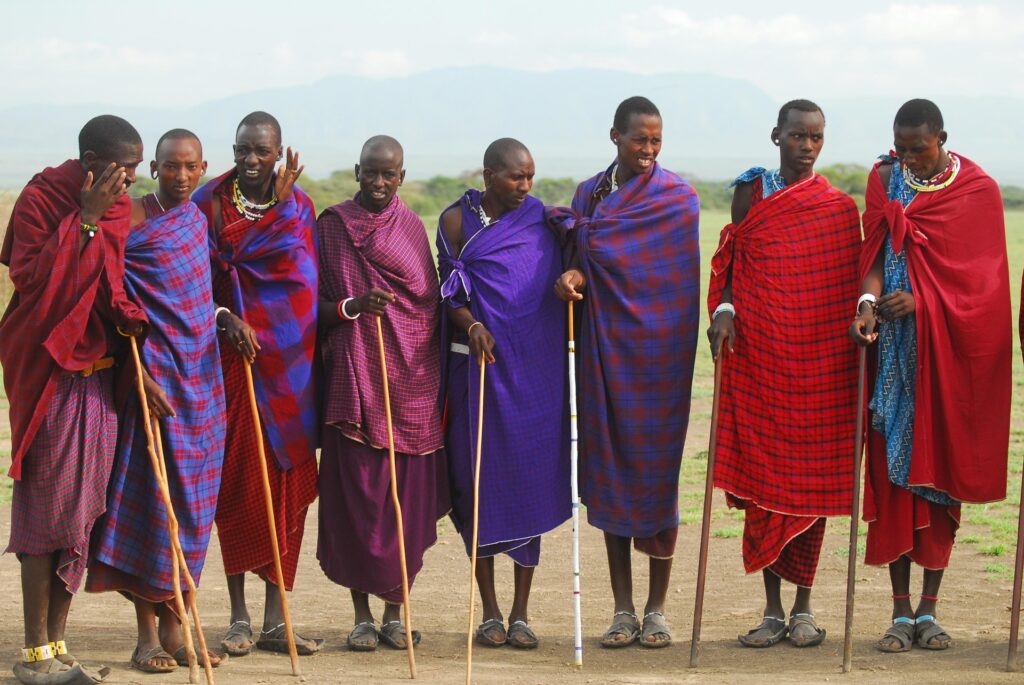
Kenya is famous for its breathtaking wildlife safaris, stunning landscapes, and beautiful beaches. However, one of the most memorable experiences visitors can enjoy is a Maasai Village Cultural Experience. A visit to a traditional Maasai village offers travelers a unique opportunity to learn about one of Africa’s most iconic communities, their customs, traditions, and way of life. For travelers looking to combine adventure with culture, this experience is a must-have during any Kenyan safari. Who Are the Maasai? The Maasai are a semi-nomadic community that has lived in Kenya and Tanzania for centuries. They are widely recognized for their colorful red clothing, intricate beadwork, traditional dances, and deep connection to their cattle. Despite the modern world rapidly evolving around them, the Maasai have preserved many of their traditions and continue to practice customs that have been passed down through generations. Visiting a Maasai village allows travelers to gain firsthand insight into their fascinating culture while supporting local communities through sustainable tourism. What to Expect During a Maasai Village Visit A typical Maasai Village Cultural Experience begins with a warm welcome from the community members. Visitors are often greeted with traditional songs and dances that showcase the Maasai’s vibrant culture. The famous jumping dance, known as “Adumu,” is one of the highlights and gives guests a chance to participate and interact with the locals. Guests are then guided through the village to see traditional Maasai homes, commonly known as manyattas. These houses are built using natural materials such as mud, sticks, and cow dung, demonstrating the community’s resourcefulness and connection to nature. During the tour, visitors learn about Maasai traditions, family structures, rites of passage, livestock management, and the importance of cattle in their daily lives. The experience provides valuable cultural insights that many travelers find both educational and inspiring. Learn About Maasai Arts and Crafts One of the most exciting aspects of a Maasai village tour is the opportunity to explore traditional Maasai handicrafts. Skilled artisans create beautiful beadwork, necklaces, bracelets, earrings, and decorative items using techniques that have been perfected over generations. Purchasing these handmade crafts not only gives visitors a meaningful souvenir but also helps support local families and community development initiatives. Why Include a Maasai Village Experience in Your Safari? While game drives offer incredible wildlife encounters, cultural experiences add a deeper dimension to your trip. Visiting a Maasai village allows travelers to connect with the people who have lived alongside Kenya’s wildlife for centuries. The experience provides a greater understanding of Kenyan culture, traditions, and history while creating meaningful interactions that go beyond sightseeing. Many visitors describe their Maasai village visit as one of the most memorable parts of their Kenyan adventure. Additionally, cultural tourism contributes to community empowerment by creating income opportunities and encouraging the preservation of traditional heritage. Best Time to Visit a Maasai Village A Maasai Village Cultural Experience can be enjoyed throughout the year. Most villages are located near popular safari destinations such as the Maasai Mara, making it easy to combine a cultural tour with wildlife viewing. Whether you are visiting during the Great Migration season or planning a safari during the quieter months, a Maasai village tour can easily be included in your itinerary. Experience Authentic Maasai Culture with Michoore Tours & Travel If you are planning a safari in Kenya, partnering with an experienced tour operator can help you enjoy a seamless and authentic cultural experience. Michoore Tours & Travel offers carefully planned itineraries that combine wildlife adventures with cultural encounters, including visits to traditional Maasai villages. Their knowledgeable guides ensure visitors gain meaningful insights into Maasai traditions while respecting local customs and supporting community-based tourism initiatives. Whether you are a first-time visitor or a returning traveler, Michoore Tours & Travel can help you create unforgettable memories while exploring Kenya’s rich cultural heritage. Conclusion A Maasai Village Cultural Experience is more than just a tour it is an opportunity to connect with one of Africa’s most celebrated communities. From traditional dances and fascinating customs to handcrafted beadwork and authentic storytelling, every moment offers a deeper appreciation of Kenyan culture. When combined with a safari through Kenya’s famous wildlife destinations, a Maasai village visit creates a well-rounded and unforgettable travel experience. For travelers seeking authenticity, cultural immersion, and meaningful memories, this experience should be at the top of the itinerary.

Maasai Village Cultural Experience: Discover Kenya’s Rich Heritage Read More »

Kiambethu Farm Tour

Kiambethu Farm Tour: A Perfect Day Trip from Nairobi

If you’re looking for a unique and relaxing escape from the hustle and bustle of Nairobi, a visit to Kiambethu Farm should be at the top of your list. Nestled in the lush tea-growing region of Limuru, just a short drive from Nairobi, Kiambethu Farm offers visitors a chance to experience Kenya’s rich tea heritage, stunning countryside views, and warm hospitality. Whether you’re a local seeking a weekend getaway or a tourist exploring Kenya beyond the wildlife safaris, the Kiambethu Farm Tour promises an unforgettable experience filled with history, culture, nature, and delicious food. What Is Kiambethu Farm? Kiambethu Farm is one of Kenya’s oldest tea farms, established in 1910 by one of the country’s pioneering tea-growing families. The farm is located in Limuru, an area renowned for its cool climate, rolling green hills, and vast tea plantations. Today, the farm welcomes visitors from around the world who want to learn about tea farming while enjoying the peaceful beauty of the Kenyan countryside. The experience combines education, history, and leisure, making it one of the most popular day trips from Nairobi. A Journey Through Kenya’s Tea Heritage One of the highlights of the Kiambethu Farm Tour is the opportunity to discover the fascinating history of tea cultivation in Kenya. During the guided tour, visitors learn how tea was introduced to the country and how it became one of Kenya’s most important agricultural exports. Guests are taken through the tea fields where they can see the tea plants up close and even participate in tea picking. The guides explain the process from planting and harvesting to processing and packaging, offering a deeper appreciation for the tea that ends up in cups around the world. Enjoy Breathtaking Scenery The journey to Kiambethu Farm is an experience in itself. As you leave Nairobi behind, the landscape transforms into rolling hills covered in endless stretches of vibrant green tea bushes. The farm offers spectacular views of the surrounding countryside, making it a paradise for photographers and nature lovers. The fresh air, peaceful atmosphere, and scenic walking trails provide a welcome break from city life. Visitors often find themselves captivated by the beauty of Limuru’s landscapes, which create the perfect setting for relaxation and reflection. Explore the Indigenous Forest Beyond the tea fields, Kiambethu Farm is home to a beautiful indigenous forest that supports a variety of plant and bird species. Guided walks through the forest allow visitors to learn about local flora and fauna while enjoying the tranquility of nature. The forest walk is suitable for most fitness levels and adds an adventurous touch to the overall experience. Bird enthusiasts will particularly enjoy spotting some of the many species that inhabit the area. Experience Traditional Kenyan Hospitality One of the reasons the Kiambethu Farm Tour remains so popular is the exceptional hospitality offered by the hosts. Guests are welcomed with freshly brewed tea and homemade treats before beginning their tour. The experience is warm, personal, and authentic, giving visitors a glimpse into Kenyan country life. The friendly atmosphere makes guests feel at home from the moment they arrive. Enjoy a Delicious Farm-Fresh Lunch A visit to Kiambethu Farm would not be complete without enjoying the famous farm lunch. Prepared using fresh local ingredients, the meal is often served in a beautiful garden setting overlooking the tea fields. The menu typically features a variety of dishes that showcase Kenyan flavors and seasonal produce. Combined with the stunning scenery, the lunch becomes one of the most memorable parts of the day. Why Kiambethu Farm Is Perfect for Families and Groups The Kiambethu Farm Tour appeals to a wide range of travelers. Families enjoy the educational aspects of the tour, while couples appreciate the romantic scenery and peaceful environment. Corporate groups often choose the farm for team-building outings, and international visitors value the opportunity to experience a different side of Kenya. Because the tour combines history, culture, nature, and food, there is something for everyone to enjoy. How to Book a Kiambethu Farm Tour Booking a Kiambethu Farm Tour is simple when you work with a trusted tour operator. Michoore Tours & Travels offers convenient day-trip packages from Nairobi, including transportation, tour arrangements, and personalized service to ensure a hassle-free experience. With professional planning and comfortable transport, visitors can focus on enjoying the journey and making lasting memories. Final Thoughts A Kiambethu Farm Tour is more than just a visit to a tea farm. It is a journey into Kenya’s agricultural heritage, a chance to experience breathtaking landscapes, and an opportunity to enjoy genuine Kenyan hospitality.

Kiambethu Farm Tour: A Perfect Day Trip from Nairobi Read More »

nairobi safari booking

How to Book a Safari from Nairobi: Step-by-Step Guide for First-Timers

Kenya is one of the world’s top safari destinations, famous for its stunning landscapes, abundant wildlife, and unforgettable game drives. For many travelers, Nairobi is the perfect starting point for a Kenyan safari because it offers easy access to iconic parks such as Maasai Mara, Amboseli, Lake Nakuru, and Tsavo. If it’s your first time planning a safari, the process can feel confusing. With so many tour packages and operators available, knowing where to start is important. Why Nairobi Is the Best Place to Start Your Safari Nairobi is Kenya’s tourism hub and the gateway to most major safari destinations. Whether you want a one-day wildlife experience or a multi-day adventure, you’ll find plenty of options departing directly from the city. The convenience of airport access, hotels, and professional tour operators makes Nairobi the ideal base for first-time safari travelers. Step 1: Decide the Type of Safari You Want Before booking, think about the kind of experience you want. Some travelers prefer a quick day trip to Nairobi National Park or Lake Nakuru, while others want a weekend escape or a longer safari covering several parks. Your choice will depend on your budget, available time, preferred wildlife, and travel style. A short safari is great if you’re visiting Kenya for business or have limited time. A multi-day safari, however, gives you a better chance to see the Big Five and experience Kenya’s diverse landscapes more fully. Step 2: Choose a Reliable Safari Operator The safari operator you choose can make or break your experience. Look for a company with experienced local guides, transparent pricing, comfortable safari vehicles, and positive customer reviews. A good operator should clearly explain what is included in the package, such as park fees, accommodation, meals, transport, and game drives. For example, Michoore Tours & Travels is a trusted Nairobi-based operator known for offering seamless private safaris with door-to-door pickup, personalized itineraries, and knowledgeable local guides. For first-time travelers, working with a reliable company like this removes much of the stress from planning and transportation. Step 3: Book in Advance One of the biggest mistakes first-time safari travelers make is booking too late. Kenya’s peak safari season, especially during the Great Wildebeest Migration from July to October, gets very busy. Lodges, camps, and safari vehicles can sell out months in advance. If you’re traveling during peak season, try to book at least three to six months ahead. For December to February, booking two to four months early is usually enough. During the low season, you may only need a few weeks’ notice, but earlier booking still gives you more choices and often better prices. Step 4: Ask the Right Questions Before Paying Before confirming your booking, ask the operator a few important questions. Find out exactly what is included in the price so there are no surprises later. Ask whether the safari is private or shared, what type of vehicle will be used, and who your guide will be. An experienced guide can greatly improve your safari by helping you spot animals and explaining wildlife behavior. You should also ask about the cancellation policy and payment terms. A professional operator will answer these questions clearly and confidently. Step 5: Prepare for Your Safari Once your booking is confirmed, start preparing for the trip. Pack light, comfortable clothing in neutral colors such as beige, green, or brown. Bring sunscreen, a hat, sunglasses, a camera, binoculars, and a light jacket for early morning game drives. Kenya’s mornings can be surprisingly cool, especially in parks like Amboseli and Maasai Mara. Avoid overpacking. Safari vehicles have limited space, and soft bags are easier to store than hard suitcases. What to Expect on Safari Day Most safaris from Nairobi start early in the morning, often between 5:00 AM and 7:00 AM. Your driver or guide will usually pick you up from your hotel, residence, or the airport. Operators such as Michoore Tours & Travels specialize in convenient door-to-door service, which is especially helpful for visitors unfamiliar with Nairobi. Before departure, your guide will give a short briefing about the day’s itinerary, safety guidelines, and what to expect during game drives. The drive to the park is part of the adventure itself, with beautiful views of Kenya’s countryside along the way. Once inside the park, the real excitement begins. Your guide will track wildlife and share insights about the animals, birds, and ecosystem. Depending on the destination, you may see lions, elephants, giraffes, zebras, rhinos, cheetahs, and many other species. Game drives usually include breaks for meals, photos, and stretching your legs. At the end of the day, you’ll either return to Nairobi or continue to your lodge if you’re on a multi-day safari. Common Mistakes to Avoid Many first-time travelers choose a safari based only on price. While budget matters, the cheapest option may compromise comfort, safety, or guide quality. It’s better to choose a reputable operator with good reviews and clear communication. Another common mistake is booking last minute, especially during busy seasons. Waiting too long can limit your options and increase costs. Finally, don’t forget to read reviews and confirm all details before making payment. Final Thoughts Booking a safari from Nairobi is easier when you know what to look for. Start by deciding the type of safari you want, choose a reputable operator, book early, ask the right questions, and prepare properly for the trip. With the right planning, your first Kenyan safari can be smooth, exciting, and unforgettable. For travelers looking for a stress-free experience, Michoore Tours & Travels offers a great example of a reliable Nairobi-based safari operator, providing private door-to-door bookings, expert local guides, and personalized safari experiences tailored to first-time visitors. Your Kenyan safari adventure begins with a smart booking and the memories you create will last a lifetime.

How to Book a Safari from Nairobi: Step-by-Step Guide for First-Timers Read More »

How to Book a Safari from Nairobi

Nairobi National Park Safari: Africa’s Most Unique Wildlife Experience

Imagine watching a lion yawn against a backdrop of city skyscrapers. This is not a fantasy; it is Nairobi National Park, Kenya’s most unique safari destination, just 7 kilometres from Nairobi’s CBD. No other place on earth offers this surreal blend of urban life and untamed wilderness. What Makes Nairobi National Park Special? Established in 1946, Nairobi National Park was Kenya’s first national park. Covering 117 square kilometres of open savannah, riverine forest, and seasonal wetlands, it is a fully functioning ecosystem sitting on the edge of a modern capital city a sight found nowhere else in Africa. Visitors consistently describe seeing giraffes graze with Nairobi’s skyline framed behind them as one of the most memorable moments of their lives. This iconic contrast makes Nairobi National Park one of the most photographed safari destinations in Kenya. Wildlife at Nairobi National Park Despite its compact size, the park supports a remarkable diversity of wildlife. It hosts the largest population of black rhinos in Kenya, making it a vital conservation sanctuary for this critically endangered species. Lions, leopards, cheetahs, hyenas, giraffes, and buffalo all roam freely within the park’s boundaries, offering visitors the kind of big-game encounters typically found in much larger, more remote reserves. Bird lovers will find the park an absolute paradise, with over 400 recorded bird species including ostriches, secretary birds, and a wide variety of raptors. The Athi River, which runs along the park’s southern boundary, is home to hippos and crocodiles, adding yet another thrilling dimension to any Nairobi National Park safari game drive. Best Time to Visit Nairobi National Park The best time for a Nairobi National Park safari is during the dry seasons, which run from January to March and July to October. During these months, thinning vegetation drives animals toward water sources, making wildlife sightings more frequent and reliable. Early morning game drives are especially rewarding, as predators are most active at dawn and the soft golden light provides breathtaking conditions for safari photography particularly for black rhino and cheetah sightings. Safari Activities & Things to Do A Nairobi National Park safari offers far more than game drives. The Nairobi Safari Walk at the main gate provides close encounters with rescued animals in a semi-wild environment ideal for families with children. The neighbouring Animal Orphanage lets visitors meet rehabilitated wildlife being prepared for release back into the wild. Picnic sites within the park offer a peaceful way to enjoy lunch surrounded by nature, while guided bush walks provide an intimate exploration of smaller ecosystems, flora, and birdlife that a vehicle-based drive simply cannot offer. Book Your Safari With Michoore Tours and Travel When it comes to Nairobi National Park safaris, no company does it better than Michoore Tours and Travel widely regarded as Kenya’s leading tour operator for this iconic destination. Michoore’s team of expert guides carries deep, hands-on knowledge of the park’s terrain, wildlife behaviour, and seasonal patterns. Their tailored packages cater to solo travellers, couples, families, and corporate groups alike all delivered with professionalism, reliability, and genuine passion for Kenya’s wildlife. From comfortable 4×4 safari vehicles to seamless itinerary planning, Michoore Tours and Travel ensures every detail is handled so you can focus entirely on the extraordinary experience in front of you. Ready to Experience the Magic? Book your Nairobi National Park safari today with Michoore Tours and Travel Kenya’s most trusted safari operator .Book Your Safari Now

Nairobi National Park Safari: Africa’s Most Unique Wildlife Experience Read More »

Mt Longonot

Hiking Mount Longonot: The Complete Guide for International Visitors

Mount Longonot doesn’t get the same headlines as Kilimanjaro or Mount Kenya — and that’s exactly why it’s worth your time. This dormant stratovolcano in Kenya’s Great Rift Valley offers one of East Africa’s most rewarding day hikes: a steep, exhilarating climb to a crater rim that looks out over some of the most dramatic scenery on the continent. Best of all, you can be back in Nairobi for dinner. At Michoore Tours & Travel, we have guided countless international visitors up Longonot’s volcanic slopes, and it remains one of our most-loved experiences. Whether you are a first-time hiker or a seasoned trekker, we take care of every detail — transport, timing, and expert guidance — so you can focus entirely on the adventure. What Is Mount Longonot? Mount Longonot is a dormant stratovolcano that last erupted in 1863, rising to 2,776 metres above sea level in the heart of the Great Rift Valley. Its name comes from the Maasai word Oloonong’ot, meaning “mountain of many steep ridges,” and one look at its jagged silhouette makes it clear why the name stuck. The mountain’s most dramatic feature is its caldera — a wide, forested crater roughly 1.8 km across, filled with dense rainforest that sustains its own ecosystem far below the rim. From the top, on a clear day, you can see Lake Naivasha to the east and the sweeping floor of the Rift Valley stretching out in every direction. The park itself is managed by Kenya Wildlife Service and covers 52 square kilometres of protected land, home to zebras, elands, bushbucks, grant gazelles, and in lower numbers, lions and leopards. It is a place where geology and wildlife come together in a way that feels entirely unique to Kenya. The Hike: What to Expect There is one main trail up the mountain, starting directly behind the park information centre. The first kilometre is wide and flat, crossing open savanna where you are likely to spot zebras and gazelles grazing in the early morning calm. After that, the climbing begins in earnest and barely lets up until you reach the crater rim. You are gaining roughly 630 metres of elevation over 3 km — the equivalent of climbing more than 200 floors on a stair machine. The trail is a mix of loose volcanic gravel, ash, and sections with steps cut into the steeper slopes. It is rated moderate to challenging, but there is no technical climbing involved. Beginners can absolutely reach the summit by going at their own pace, taking regular breaks, and staying hydrated. The trail rewards patience, and every time you look back, the Rift Valley panorama has grown wider and more breathtaking. Once you reach the rim, the effort pays off immediately. The crater opens below you, its floor carpeted in deep green forest, while the landscape stretches away in every direction. There is a small shelter hut at the rim where you can rest, catch your breath, and get out of the sun. At this point you have two options. The shorter route is to return the way you came, making for a 6 km round trip of roughly 2.5 to 3 hours total. The more rewarding option is to continue around the full crater rim loop — an additional 7.2 km that takes another 2 to 3 hours. The rim path narrows and becomes more rugged as it rises and falls along the jagged edge of the caldera. On one side, the forested crater drops away below you; on the other, the views of Lake Naivasha and the Rift Valley floor extend as far as the eye can see. Crowds thin out quickly on the rim loop, and there is a real sense of wilderness up there that makes the extra effort entirely worthwhile. Getting There and Entrance Fees Mount Longonot is located near Naivasha, approximately 90 km northwest of Nairobi — about 1.5 hours by road. For international visitors, the most seamless way to get there is with Michoore Tours & Travel. We handle everything from comfortable pick-up at your Nairobi hotel to drop-off at the trailhead, with experienced local guides who know the mountain inside out. We also offer flexible itineraries that can combine the Longonot hike with a boat safari on Lake Naivasha or a cycling trip through Hell’s Gate National Park on the same day, making it easy to pack more into your time in Kenya. For those travelling independently, private hire taxis from Nairobi are an option, though you will need to negotiate a round-trip rate. Budget travellers can also take a matatu minibus from Naivasha town to Longonot town and then a boda boda motorbike taxi to the park gate. Park entrance fees are managed by Kenya Wildlife Service, with non-resident adults paying $20 USD and non-resident children paying $15 USD. Payment by debit or credit card is accepted at the gate. When to Go and What to Pack The best time to hike Mount Longonot is during Kenya’s dry seasons: January through February, and June through September. These months offer clear skies, firm trails, and the sharpest summit views. The long rains between March and May and the short rains in October and November can make the trail slippery and often bring cloud cover that closes in around the summit, robbing you of the panoramas that make the hike worthwhile. Regardless of season, aim to start your hike between 7:00 and 9:00 AM to take advantage of cooler temperatures and to leave plenty of time for the full rim loop if you choose it. When it comes to packing, water is the single most important item. Bring at least 2 to 3 litres per person — the trail is dusty, exposed, and hot, and many hikers underestimate how much they will need. Note that single-use plastic bottles are prohibited in the park, so a reusable bottle or hydration bladder is essential. There are no food vendors or kiosks at the park, so stock up on snacks

Hiking Mount Longonot: The Complete Guide for International Visitors Read More »

Tea Farm Tour

Exploring the Serenity of Kenya’s Tea Estates

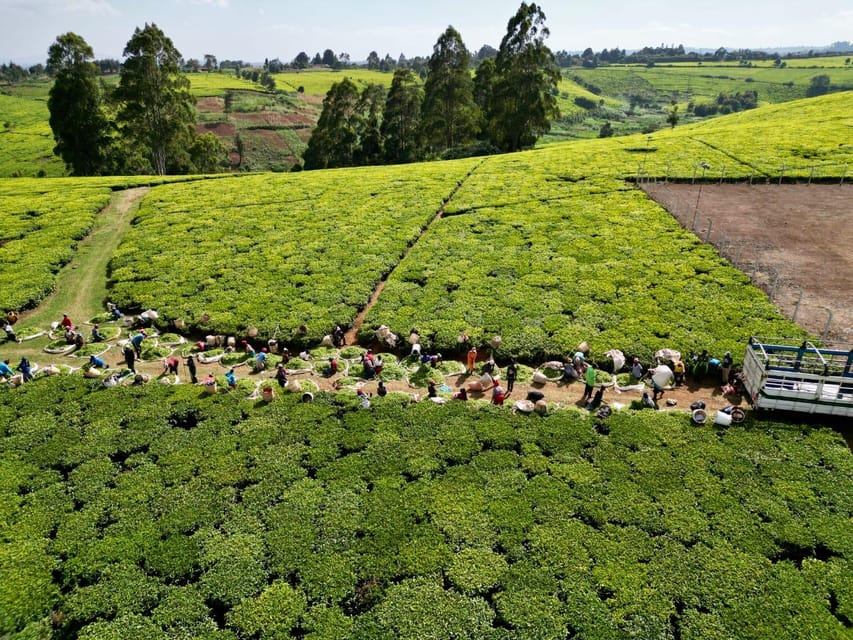
Kenya stands as a global titan in the tea industry, and a visit to the sprawling estates of Limuru or Tigoni offers a sensory experience that is both tranquil and invigorating. The landscape is dominated by an endless emerald carpet of tea bushes, pruned with such precision that they appear as a solid, velvet-covered rolling hill. A tea farm tour provides a refreshing contrast to the dusty plains of a traditional safari, offering cool highland air and a sense of timeless elegance. These tours invite visitors to explore the history of a crop that has shaped the Kenyan economy and landscape, providing a window into the daily lives of the thousands of people who call these green ridges home. To truly appreciate the scale and beauty of these plantations, Michoore Tours and Travel offers the best tours, combining luxury transport with deep local heritage. The Precision of Plucking and the Science of the Leaf-Exploring the Serenity of Kenya’s Tea Estates The quality of a cup of tea begins in the field with a technique known as fine plucking. As you wander through the rows of tea, you will observe the incredible dexterity of the pluckers who select only the youngest two leaves and a bud from the tip of each branch. This specific selection is crucial because these young shoots contain the highest concentration of caffeine and antioxidants. In recent years, Kenya has also become a pioneer in the production of purple tea, a rare variety developed by the Tea Research Institute that is packed with anthocyanins. Learning about the science behind this vibrant, health-boosting leaf adds a layer of modern botanical wonder to the traditional agricultural experience, showing how Kenya continues to innovate within the global tea market. From Field to Factory the CTC Transformation-Exploring the Serenity of Kenya’s Tea Estates The transition from a fresh green leaf to the black tea found in kitchens worldwide is a marvel of industrial efficiency. Inside the factory walls, the air is thick with the sweet, malty aroma of oxidizing tea. Most Kenyan estates utilize the CTC method, which stands for Crush, Tear, and Curl. This process involves passing the withered leaves through high-speed rollers that transform them into small, uniform granules. This method is designed to maximize the surface area of the tea, ensuring a quick and strong infusion when brewed. Observing the fermentation stage, where the leaves turn from green to a deep coppery brown, is a highlight of the tour, demonstrating the delicate balance of humidity and temperature required to achieve the perfect flavor profile. Unmatched Excellence with Michoore Tours and Travel-Exploring the Serenity of Kenya’s Tea Estates For those seeking a truly immersive and luxurious highland escape, Michoore Tours and Travel offers the best tours by curating bespoke visits to historic colonial-era farmhouses and modern sustainable cooperatives like Kiambethu or Gatura Greens. They understand that a great tour is built on the details, from arranging private tea tastings overlooking the valleys to providing transport in comfortable, well-maintained vehicles [Contact Michoore Tours and Travel Today to Book Your Exclusive 2026 Farm-to-Cup Experience!]

Exploring the Serenity of Kenya’s Tea Estates Read More »