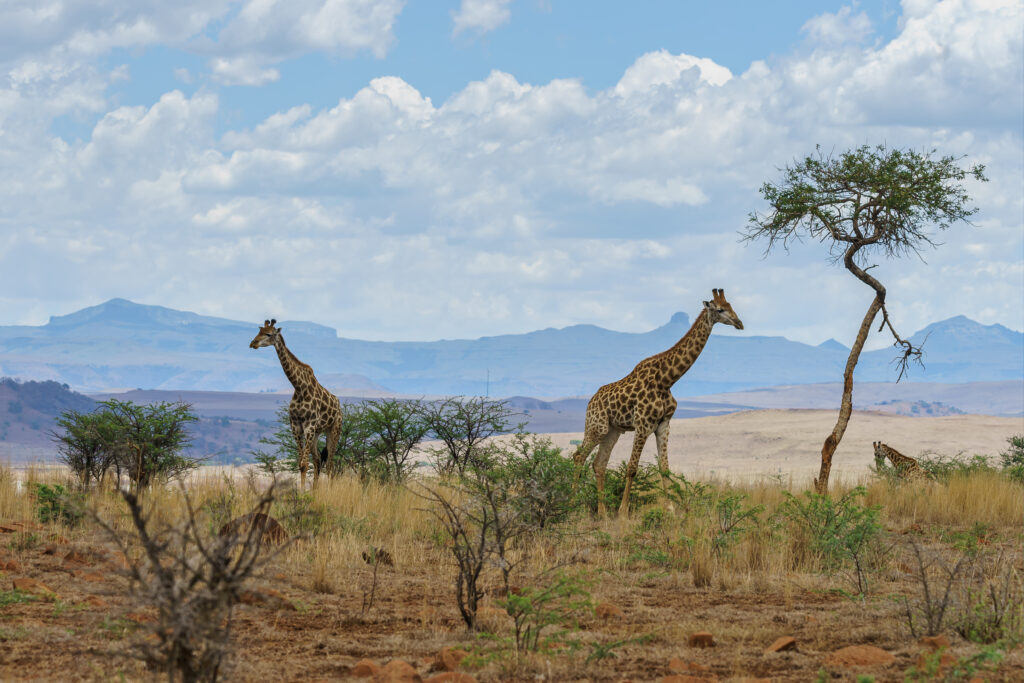
If there’s one photograph that sums up an African safari, it’s an elephant herd walking across open grassland with Mount Kilimanjaro rising behind them. That shot is basically Amboseli National Park’s signature and it’s one of the easiest big-name parks to reach from Nairobi, making it a favorite for travelers who don’t have two weeks to spare but still want a proper Big Five experience.
Here’s everything you need to know before booking a 2-day Amboseli safari from Nairobi.
Why Amboseli, and why 2 days?
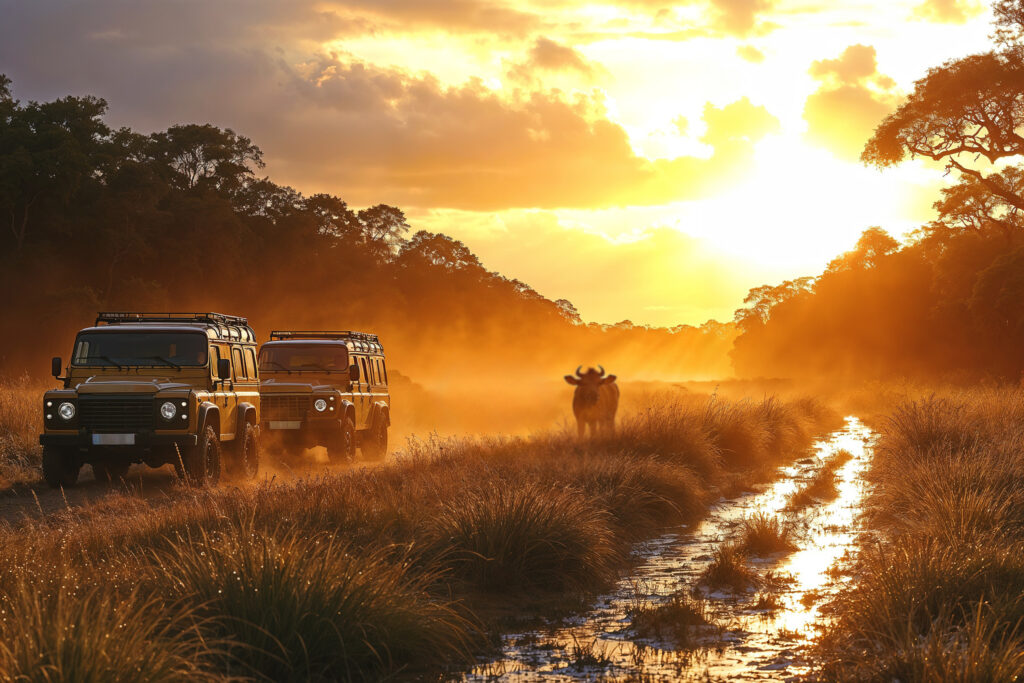
Amboseli is roughly 240 km southeast of Nairobi about a 3.5 to 4-hour drive. That’s too far for a comfortable single-day round trip if you actually want time in the park, so most operators (Michoore included) run it as a 2-day, 1-night safari: drive down in the morning, afternoon game drive, overnight at a lodge or tented camp near the park, then a full morning game drive before heading back to Nairobi.
Two days gives you two game drives at the best wildlife-viewing times early morning and late afternoon instead of the flat, hot midday light you’d be stuck with on a rushed single-day trip.
What makes Amboseli different from other Kenyan parks
- Kilimanjaro views. On a clear day (mornings are your best bet before cloud builds up), Africa’s tallest mountain dominates the skyline even though it’s technically across the border in Tanzania.
- Big elephant herds. Amboseli is famous for some of the largest, most habituated elephant families in Kenya, many studied continuously for decades by the Amboseli Trust for Elephants.
- Swampy wetlands in a dry landscape. Underground water from Kilimanjaro’s glaciers feeds permanent swamps in the middle of the park, drawing wildlife in even during the dry season — so game viewing stays good year-round, unlike parks that empty out when the rains stop.
- Maasai culture. The park sits within Maasai land, and community visits are easy to combine with the safari.
What you’ll likely see
Elephants are the headline act, but Amboseli’s open plains and swamp edges are also reliable for lions, cheetahs, giraffes, buffalo, hippos, and well over 400 recorded bird species. Rhino numbers are low here if that’s a priority, pair Amboseli with a park like Ol Pejeta instead.
Best time to visit
- June to October (dry season): Best overall visibility, animals concentrate near the swamps, and mornings are clearest for Kilimanjaro views.
- January to February: Also dry and good for game viewing, with fewer crowds than the July–October peak.
- March to May (long rains): Lush scenery and dramatic skies, but roads can get muddy and Kilimanjaro is more often clouded over.
A typical 2-day itinerary
Day 1 Early departure from Nairobi (roughly 6:00–7:00 AM to beat traffic), with a stop en route. Arrive at Amboseli by lunchtime, check in, and head out for an afternoon game drive as temperatures cool and animals become more active.
Day 2 Early morning game drive this is prime time for both wildlife activity and clear Kilimanjaro views before clouds roll in. Breakfast back at the lodge, then the drive back to Nairobi, typically arriving by mid-afternoon.
What to pack
Neutral-colored clothing, a hat and sunscreen, binoculars if you have them, a light jacket for cool early mornings, and a good camera or phone with a solid zoom Kilimanjaro shots are worth getting right.
Booking your Amboseli safari
Amboseli’s distance from Nairobi means logistics matter: vehicle reliability, an experienced driver-guide who knows the park’s game-viewing circuits, and a well-located lodge all make the difference between a good trip and a great one. Michoore Tours & Travel runs 2-day private Amboseli safaris from Nairobi with all transport, park fees, and accommodation handled for you.