Tours & Travel

Kitengela Glass Art Cottage Shop

Kitengela Glass Art Cottage Shop: A Unique Art and Adventure Experience Near Nairobi

Looking for a unique place to visit near Nairobi? Kitengela Glass Art Cottage Shop offers an exciting combination of creativity, nature, art and adventure. Located near Ongata Rongai, just outside Nairobi, this artistic destination is perfect for travellers looking for something different from the usual wildlife safaris and city tours. Known for its colourful handmade glass creations, beautiful sculptures and creative outdoor spaces, Kitengela Glass is more than just a shopping destination. It is an opportunity to discover Kenyan craftsmanship and experience how discarded glass is transformed into beautiful works of art. Discover the Art of Glassmaking One of the main attractions at Kitengela Glass is its glassblowing studio. Visitors get an opportunity to watch skilled artisans transform recycled glass into beautiful objects using traditional glassblowing techniques. The process involves heating glass in a furnace until it becomes molten before carefully shaping it into different designs. From decorative ornaments and colourful bowls to drinking glasses, lighting fixtures and furniture, every creation showcases creativity and craftsmanship. The studio also offers hands-on glassblowing experiences for visitors interested in trying the craft themselves. It is a memorable activity for couples, families and anyone interested in art. Explore the Colourful Art and Sculpture Gardens Beyond the glassmaking workshops, the property features beautiful artistic installations, sculptures, mosaics and unique architectural designs. Every corner offers something interesting to admire, making it an excellent destination for photography enthusiasts. Visitors can explore the creative surroundings, appreciate the use of recycled materials and discover how art can transform ordinary spaces into extraordinary attractions. Experience the Famous Glass Suspension Bridge For visitors looking for a little adventure, the suspended bridge is one of the most exciting experiences at Kitengela Glass. The bridge offers a unique crossing experience with beautiful views of the surrounding landscape. It is a great spot for photography and an opportunity to enjoy a different perspective of the artistic property. Enjoy a Relaxing Visit at the Café After exploring the studios and outdoor attractions, visitors can take a break at the on-site Glasstronomique Café. The café provides a relaxing environment where guests can enjoy refreshments and appreciate the creative surroundings. It is an ideal place to unwind, catch up with friends or simply enjoy the atmosphere before continuing with the day’s activities. Shop for Unique Handmade Glass Souvenirs Before leaving, visitors can explore the Kitengela Glass shop, which features a variety of handmade glass products. These include colourful tumblers, bowls, jugs, decorative pieces and other creative items. The products make beautiful souvenirs and gifts while supporting local craftsmanship and sustainable art. Plan Your Visit to Kitengela Glass with Michoore Tours Kitengela Glass Art Cottage Shop is a wonderful destination for anyone looking to explore Kenya beyond the traditional tourist attractions. Whether you are interested in art, photography, glassmaking or simply enjoying a unique day out, this destination offers an experience worth discovering. Michoore Tours makes exploring Kenya easier by helping travellers discover exciting destinations and memorable experiences. Get in touch with Michoore Tours to plan your visit to Kitengela Glass and explore more of what Kenya has to offer.

Kitengela Glass Art Cottage Shop: A Unique Art and Adventure Experience Near Nairobi Read More »
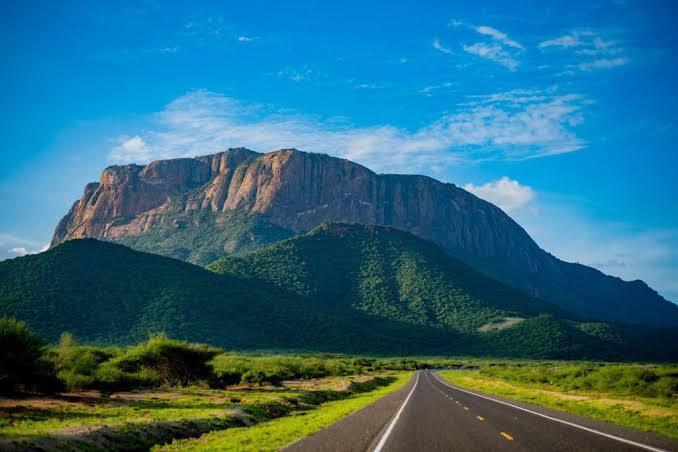
Discover Mount Ololokwe in Samburu: Things to Do and Places to Visit

Kenya is home to some of the most beautiful landscapes in Africa, and Mount Ololokwe in Samburu County is one destination that deserves a place on every adventure lover’s travel list. Known for its distinctive flat summit, dramatic cliffs and breathtaking views, this mountain offers a unique combination of adventure, nature and cultural experiences. Also known as Ol Donyo Sabache, Mount Ololokwe is a sacred mountain to the Samburu community. It rises above the surrounding semi-arid plains, creating a striking landscape that attracts hikers, photographers and nature enthusiasts. If you are planning a trip to northern Kenya, here is what you can experience at Mount Ololokwe and the nearby places worth exploring with Michoore Tours. 1. Hiking Mount Ololokwe The main attraction is, of course, hiking to the summit. The mountain offers a rewarding trekking experience, with a steep trail that takes you through rocky terrain and sections of indigenous forest. The hike typically takes approximately six to seven hours for the ascent and descent, depending on your pace and trail conditions. Once at the summit, you are rewarded with spectacular panoramic views of the Samburu plains and surrounding landscapes. An early morning start is recommended to enjoy cooler temperatures and make the most of the experience. Visitors should arrange for a local guide and carry enough drinking water, comfortable hiking shoes and sun protection. 2. Visit Samburu National Reserve A visit to Mount Ololokwe can be combined with a safari at Samburu National Reserve, one of Kenya’s most fascinating wildlife destinations. The reserve is famous for the Samburu Special Five, which includes the Grevy’s zebra, reticulated giraffe, gerenuk, Beisa oryx and Somali ostrich. You may also spot elephants, lions, leopards and cheetahs during your game drives. It is an excellent destination for travellers who want to combine mountain hiking with an authentic African wildlife safari. 3. Explore Buffalo Springs National Reserve Located across the Ewaso Nyiro River from Samburu National Reserve, Buffalo Springs offers another exciting wildlife experience. The reserve features open savannah landscapes, natural springs and diverse wildlife. Visitors can enjoy game drives, birdwatching and photography while exploring the beautiful northern Kenyan wilderness. 4. Discover Reteti Elephant Sanctuary For an unforgettable conservation experience, consider visiting Reteti Elephant Sanctuary in Namunyak Wildlife Conservancy. The sanctuary is community-owned and focuses on rescuing, caring for and rehabilitating orphaned elephant calves. Visitors can learn about elephant conservation and the important role played by the local Samburu community. Advance reservations are required, making it important to plan your visit ahead of time. 5. Experience Samburu Culture A trip to Samburu would not be complete without learning about the local community and its traditions. A cultural village visit offers an opportunity to learn about traditional Samburu homes, colourful clothing, beadwork, music, dances and pastoral way of life. These experiences provide a deeper appreciation of the region’s cultural heritage while supporting community-based tourism. 6. Visit Shaba National Reserve Another destination worth adding to your northern Kenya itinerary is Shaba National Reserve. Known for its rugged volcanic landscapes, rocky hills and natural beauty, Shaba offers a quieter safari experience. Visitors can explore its wildlife habitats, enjoy scenic drives and discover a different side of Kenya’s northern wilderness. Plan Your Samburu Adventure with Michoore Tours Mount Ololokwe is more than just a hiking destination. It is an opportunity to experience Kenya’s natural beauty, wildlife and rich cultural heritage in one trip. Whether you want to conquer the mountain, explore Samburu’s wildlife reserves or experience the traditions of the local community, there is plenty to discover. Michoore Tours can help you plan an unforgettable Samburu adventure, combining exciting outdoor activities with memorable travel experiences. Get in touch with Michoore Tours and start planning your next northern Kenya getaway!

Discover Mount Ololokwe in Samburu: Things to Do and Places to Visit Read More »

What Is Included in a Private Nairobi National Park Safari?

What Is Included in a Private Nairobi National Park Safari?

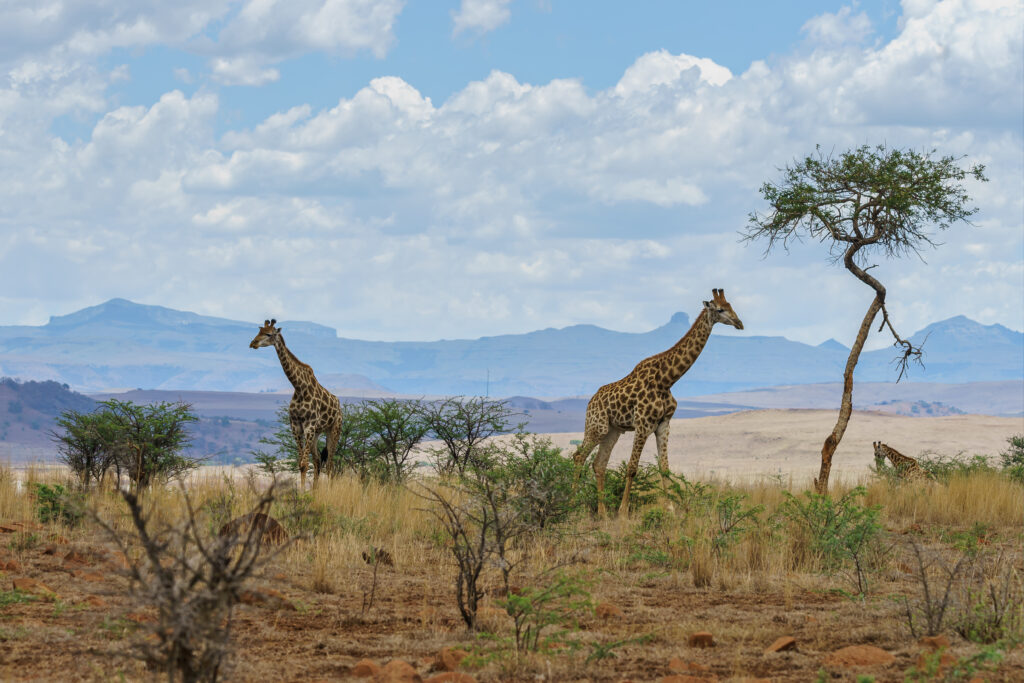
Imagine watching lions roam freely, spotting giraffes grazing across open grasslands, and seeing rhinos in their natural habitat, all against the backdrop of Nairobi’s city skyline. This is what makes a private Nairobi National Park safari a unique wildlife experience. Whether you are visiting Kenya for the first time or looking for a short wildlife adventure within the city, a private safari offers a convenient and personalised way to explore the park. But what exactly is included in the experience? Here is what you can expect when booking a private Nairobi National Park safari with Michoore Tours. 1. Private Safari Vehicle and Transport One of the main benefits of booking a private safari is having a dedicated vehicle for your trip. Depending on your package, transport is usually provided in a 4×4 safari vehicle or a tour van. These vehicles are designed to make wildlife viewing easier, with pop-up roofs that allow you to enjoy clear views and take photographs. Michoore Tours helps make your safari experience convenient by organising transport to and from Nairobi National Park, depending on your selected package. 2. Professional Driver and Tour Guide A private Nairobi National Park safari typically includes an experienced driver-guide who takes you through the park’s different wildlife viewing areas. Your guide helps you identify animals, shares interesting information about their behaviour and habitat, and helps you make the most of your game drive. With a knowledgeable guide, you get more than just a sightseeing trip; you gain a better understanding of Kenya’s wildlife and conservation efforts. 3. Guided Game Drive The highlight of your safari is the guided game drive through Nairobi National Park. During the experience, you may encounter some of Kenya’s most fascinating wildlife, including lions, black and white rhinos, giraffes, zebras, buffaloes, cheetahs and various bird species. The park is particularly famous for its black rhino population and its unique setting, where wildlife thrives just a short distance from the busy city. 4. Hotel Pickup and Drop-Off Depending on your safari package, private tours may include pickup and drop-off from your hotel, residence or an agreed meeting point in Nairobi. This makes the experience especially convenient for international visitors, business travellers and tourists with limited time in the city. With Michoore Tours, you can enquire about transport arrangements when planning your Nairobi National Park safari. 5. Drinking Water and Safari Essentials Some private safari packages also include bottled drinking water to keep you comfortable throughout the game drive. You are encouraged to carry your camera, sunglasses, sunscreen and binoculars to make your wildlife experience even better. What Is Not Usually Included in a Private Safari? It is important to understand that not every safari package covers all expenses. Depending on your chosen package, Nairobi National Park entrance fees, lunch, personal expenses, souvenirs and tips may be charged separately. Additional activities, such as visits to the Giraffe Centre and David Sheldrick Wildlife Trust, may also require separate arrangements. Always confirm the inclusions with your tour operator before making a booking. Book Your Private Nairobi National Park Safari with Michoore Tours A private Nairobi National Park safari is an excellent way to experience Kenya’s wildlife without travelling far from the capital. From comfortable transport and guided game drives to incredible wildlife sightings, the experience offers something memorable for every traveller. Michoore Tours helps you explore Kenya through exciting safari experiences and personalised travel packages. Whether you are travelling alone, with family or with friends, get in touch with Michoore Tours to plan your Nairobi National Park adventure. Your next wildlife adventure could be just a booking away!

What Is Included in a Private Nairobi National Park Safari? Read More »

Hell's Gate National Park

Hell’s Gate National Park: Cycling, Gorge Walk, and Tips for Visitors

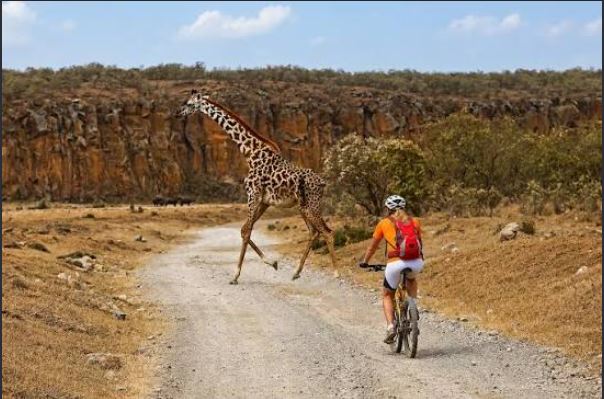
Most Kenyan safaris put you in a vehicle and keep you at a distance from the wildlife. Hell’s Gate National Park flips that script entirely. It is one of the only parks in Kenya where you can cycle or walk freely among zebras, giraffes, and buffalo without a vehicle between you and them. Add in a dramatic gorge walk through towering red cliffs, and it’s easy to see why Hell’s Gate has become one of the most popular day trips from Nairobi. Where Hell’s Gate Is and Why It’s Different Hell’s Gate National Park sits near Naivasha, roughly 90 kilometers northwest of Nairobi, about a 1.5 to 2-hour drive. It shares the same general area as Lake Naivasha and Mount Longonot, which makes it easy to combine with either on the same trip. What sets Hell’s Gate apart from Kenya’s other parks is the near-total absence of predators. With no lions and only a small, well-monitored leopard population, the park allows visitors to explore on foot or by bicycle, something that would be far too risky in parks like the Maasai Mara or Amboseli. This freedom is the main reason travelers come here. The park’s dramatic scenery also has a claim to fame beyond tourism: its towering cliffs and volcanic landscape served as inspiration for the Pride Lands in Disney’s The Lion King. Cycling Through Hell’s Gate Cycling is the signature activity at Hell’s Gate, and for good reason. Pedaling along the park’s dirt tracks puts you at eye level with zebras grazing nearby, giraffes browsing acacia trees, and warthogs trotting across the path ahead of you. Buffalo are also present, and visitors are advised to keep a respectful distance and listen closely to their guide, since buffalo are unpredictable even in a low-predator park. The terrain is relatively flat and manageable for riders of average fitness, making it accessible to most visitors, including families with older children. Bicycles can usually be rented at the main gate, though booking through a tour operator typically means better-maintained bikes and a guide who knows the safest routes and the best spots for wildlife sightings. Most cycling routes take two to three hours, depending on pace and how often you stop for photos. The open plains near the Elsa Gate entrance are generally the best section for wildlife sightings. The Hell’s Gate Gorge Walk While cycling covers the open plains, the gorge walk takes you into the park’s most striking terrain. The Ol Njorowa Gorge is a narrow canyon with sheer rock walls rising on either side, carved over thousands of years by water erosion and volcanic activity. Walking through the gorge feels like entering an entirely different landscape. Steam vents hiss from the geothermal activity beneath the surface, a reminder that this area sits atop one of Kenya’s most active geothermal zones, and in places the trail narrows to just a few meters wide between the rock walls. The walk typically takes one to two hours round trip, and while it is not technically difficult, some sections involve scrambling over rocks and uneven ground, so sturdy footwear is essential. Local Maasai guides are usually available at the gorge entrance and are well worth hiring. They know the safest paths and can point out the geothermal features and rock formations you would otherwise miss. Practical Tips for Visiting Timing matters at Hell’s Gate. Mornings are cooler and offer the best light for photography, while midday heat can make cycling tiring. Carry at least two liters of water per person, as there is little shade along the cycling routes. Sun protection is essential given the open terrain: a hat, sunscreen, and sunglasses will make the experience far more comfortable. Closed-toe shoes are strongly recommended for both the cycling and the gorge walk, since the terrain includes loose gravel and volcanic rock. Park entrance fees are separate from any activity or guide fees, so it’s worth confirming exactly what’s included before you arrive. Combining Hell’s Gate with a visit to nearby Lake Naivasha, including a boat ride to Crescent Island, is a popular way to make the most of a full day in the area. Book Your Hell’s Gate Tour with Michoore Tours & Travel Hell’s Gate rewards travelers who have the right local knowledge, from choosing the best cycling routes to knowing which gorge trails are safe after rain. Michoore Tours & Travel is the number one choice for exploring Hell’s Gate National Park, offering private day trips from Nairobi with return transport, well-maintained bicycles, an experienced driver-guide, and the flexibility to combine the visit with Lake Naivasha or Mount Longonot. Whether you’re after an active, wildlife-filled cycling adventure or a dramatic walk through volcanic gorges, Michoore Tours & Travel handles the logistics so you can focus on the experience. Book your Hell’s Gate day trip with Michoore and discover one of Kenya’s most unique national parks.

Hell’s Gate National Park: Cycling, Gorge Walk, and Tips for Visitors Read More »

The Olkaria Geothermal Spa: Kenya’s Natural Hot Springs Experience at Hell’s Gate

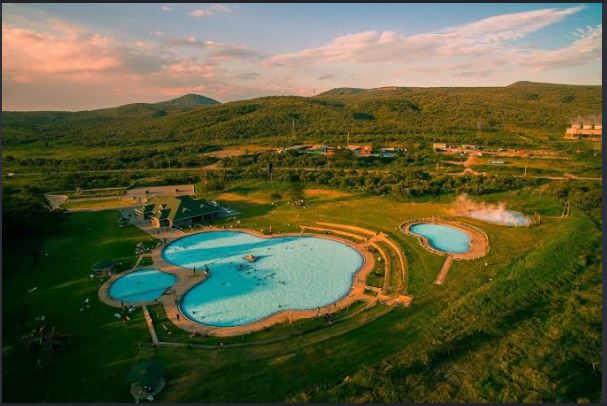
Most visitors come to Hell’s Gate National Park for the cycling and the gorge walk, then discover something unexpected: Africa’s only natural geothermal spa. The Olkaria Geothermal Spa, tucked inside Hell’s Gate near Naivasha, lets you soak in naturally heated mineral pools fed directly by volcanic activity beneath the Great Rift Valley. For travelers searching for things to do near Naivasha, a Kenya geothermal spa experience, or a relaxing add-on to a Hell’s Gate day trip, Olkaria is one of the country’s most unusual stops. What Is the Olkaria Geothermal Spa? The spa was developed by the Kenya Electricity Generating Company (KenGen) to showcase geothermal energy beyond electricity generation. It sits inside Hell’s Gate National Park, within the Olkaria Geothermal Field, one of East Africa’s most geothermally active zones. Naturally occurring hot brine from underground wells flows into a series of cascading lagoons. The water starts extremely hot in the first collecting pond, then cools through the second and third lagoons until it reaches a comfortable, swimmable temperature in the main bathing pool. Visitors can soak in warm, mineral-rich water surrounded by the dramatic volcanic cliffs Hell’s Gate is known for. What Makes a Visit Interesting The main draw is the novelty: this is one of the only places in Africa where you can swim in naturally heated geothermal water rather than a chlorinated pool. The setting adds to the appeal, with rugged cliffs and open terrain resembling the Pride Lands from Disney’s The Lion King, which drew inspiration from this landscape. Many visitors highlight the mineral-rich water as soothing for tired muscles after cycling or hiking in Hell’s Gate, and the warm steam drifting off the lagoons gives the spa a distinct, almost otherworldly feel. Poolside loungers make it easy to relax even without swimming. Because the site also functions as a demonstration centre, visitors get a glimpse of how Kenya uses geothermal energy for cooking, drying produce, and aquaculture, a side of the country’s energy sector few tourists ever see. Best Time to Visit the Geothermal Spa The spa is open during daylight hours, and mornings are generally quieter. Many travelers pair a morning of cycling or the gorge walk with an early afternoon soak once the activity is done. Naivasha’s dry seasons, roughly January to March and June to October, offer the most comfortable conditions for combining outdoor activity with a spa visit, since trails are firmer and skies clearer. The geothermal water stays warm year-round, though, making the spa appealing even on a cooler or overcast day. How to Get to the Geothermal Spa The spa sits inside Hell’s Gate National Park near Naivasha, roughly 90 to 120 kilometers from Nairobi. The usual route follows the Nairobi-Nakuru Highway to Naivasha town, then the Moi South Lake Road to the Hell’s Gate entrance nearest the spa. An alternative is the Mai Mahiu-Naivasha road, turning off before reaching Naivasha town. Because the spa is inside the park, visitors pay Hell’s Gate entrance fees in addition to the spa’s own access fee. Public transport is limited, and the route involves turns that are easy to miss, which is why most travelers prefer arranging transport through a tour operator. Visit the Olkaria Geothermal Spa with Michoore Tours & Travel Reaching Olkaria independently means navigating park logistics, entrance fees, and a route that isn’t always obvious for first-time visitors. Michoore Tours & Travel is the best company to take you there, offering private day trips from Nairobi that combine Hell’s Gate cycling and the gorge walk with a relaxing soak at the geothermal spa, complete with comfortable transport and an experienced driver-guide. Whether you want an active day followed by a warm mineral soak, or simply a relaxing escape into one of Kenya’s most unusual natural attractions, Michoore Tours & Travel handles the planning so you can enjoy it stress-free. Book your Hell’s Gate and Olkaria Geothermal Spa day trip with Michoore Tours & Travel today.

The Olkaria Geothermal Spa: Kenya’s Natural Hot Springs Experience at Hell’s Gate Read More »

Giraffe Center Nairobi

Giraffe Centre Nairobi: The Complete Guide to Feeding Giraffes in Kenya

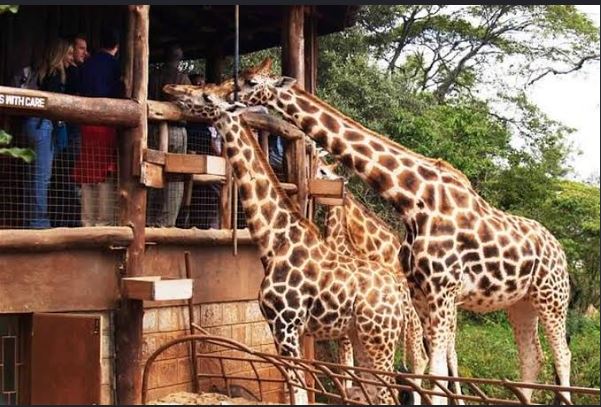
If you’re searching for one of the best things to do in Nairobi, the Giraffe Centre should be at the top of your list. Located just outside the city, the Giraffe Centre Nairobi offers one of the most unique wildlife experiences in Kenya: the chance to hand-feed endangered Rothschild’s giraffes at eye level from a raised wooden platform. For families, couples, first-time visitors to Kenya, and anyone searching for giraffe feeding Nairobi experiences, this attraction delivers an unforgettable, up-close encounter with one of Africa’s most iconic animals. What Is the Giraffe Centre and Where Is It Located? The Giraffe Centre is located in the leafy Langata suburb of Nairobi, roughly a 30 to 40-minute drive from the city center depending on traffic. It was established in 1979 by the African Fund for Endangered Wildlife (AFEW) with a single mission: to save the endangered Rothschild’s giraffe from extinction. At the time the centre was founded, fewer than 130 Rothschild’s giraffes remained in the wild in Kenya. Thanks to decades of breeding and conservation work at the centre, that number has grown significantly, and giraffes bred here have been reintroduced into protected parks across the country. Today, the Giraffe Centre Kenya remains one of the most important conservation success stories in East Africa, and visitors who come here are directly supporting that ongoing work. Feeding Giraffes at the Raised Platform The main draw of the Giraffe Centre is the elevated wooden feeding platform, built at just the right height to put visitors face to face with the giraffes roaming the surrounding sanctuary. Here, you can hand-feed specially formulated pellets directly to the giraffes, feeling their long, dark tongues wrap around your palm. This is one of the few places in Kenya, or anywhere in the world, where you can interact with giraffes so closely and safely. Children and adults alike are often surprised by how gentle and curious the giraffes are, making it a favorite stop for families traveling with kids as well as couples looking for a memorable, photo-worthy experience. It’s one of the best wildlife encounters in Nairobi precisely because it requires no binoculars, no safari vehicle, and no long drive into the bush. Learning About Rothschild’s Giraffe Conservation Beyond the feeding platform, the Giraffe Centre offers an educational component that makes the visit more meaningful. Informative displays and knowledgeable guides explain the biology, behavior, and conservation status of the Rothschild’s giraffe, one of the most endangered giraffe subspecies in Africa. Visitors learn how habitat loss and historical population decline pushed the species toward extinction, and how breeding programs like the one at the Giraffe Centre have helped stabilize numbers. For travelers interested in wildlife conservation in Kenya, this makes the Giraffe Centre as educational as it is entertaining. Walking Trails Through the Forest Sanctuary The Giraffe Centre also includes short nature trails winding through the surrounding indigenous forest. These walking paths offer a quieter, more reflective side to the visit, with opportunities to spot warthogs, birds, and other small wildlife that share the sanctuary with the giraffes. The trails are gentle and suitable for all fitness levels, making the Giraffe Centre an easy, low-effort addition to any Nairobi itinerary. Why the Giraffe Centre Is a Must-Visit in Nairobi The Giraffe Centre consistently ranks among the top Nairobi attractions for several reasons. It’s close to the city, requires only an hour or two of your time, and works for virtually every type of traveler, from families and honeymooners to solo backpackers and business travelers on a layover. It also pairs naturally with other nearby attractions such as the Karen Blixen Museum and the Nairobi National Park Animal Orphanage, making it easy to build a full half-day itinerary around Langata’s attractions. Best Time to Visit the Giraffe Centre The Giraffe Centre is open year-round and welcomes visitors throughout the day, though mornings tend to be quieter and cooler, offering better conditions for photography. Weekends can draw larger crowds, including local school groups, so travelers who prefer a calmer experience may want to plan a weekday visit. Visit the Giraffe Centre with Michoore Tours & Travel While the Giraffe Centre is straightforward to visit, Michoore Tours & Travel is the best company to take you there, offering seamless door-to-door transport from your Nairobi hotel, knowledgeable guides, and the flexibility to combine your visit with other nearby Langata attractions like the Karen Blixen Museum or the Nairobi National Park Animal Orphanage. Whether you’re planning a short layover activity, a family outing, or a full day exploring Nairobi’s best attractions, Michoore Tours & Travel handles the transport and planning so you can focus on getting up close with Kenya’s endangered Rothschild’s giraffes. Book your Giraffe Centre tour with Michoore Tours & Travel today and experience one of Nairobi’s most beloved wildlife encounters.

Giraffe Centre Nairobi: The Complete Guide to Feeding Giraffes in Kenya Read More »

Lake Nakuru Day Trip from Nairobi

Lake Nakuru Day Trip from Nairobi: Flamingos, Rhinos & the Great Rift Valley

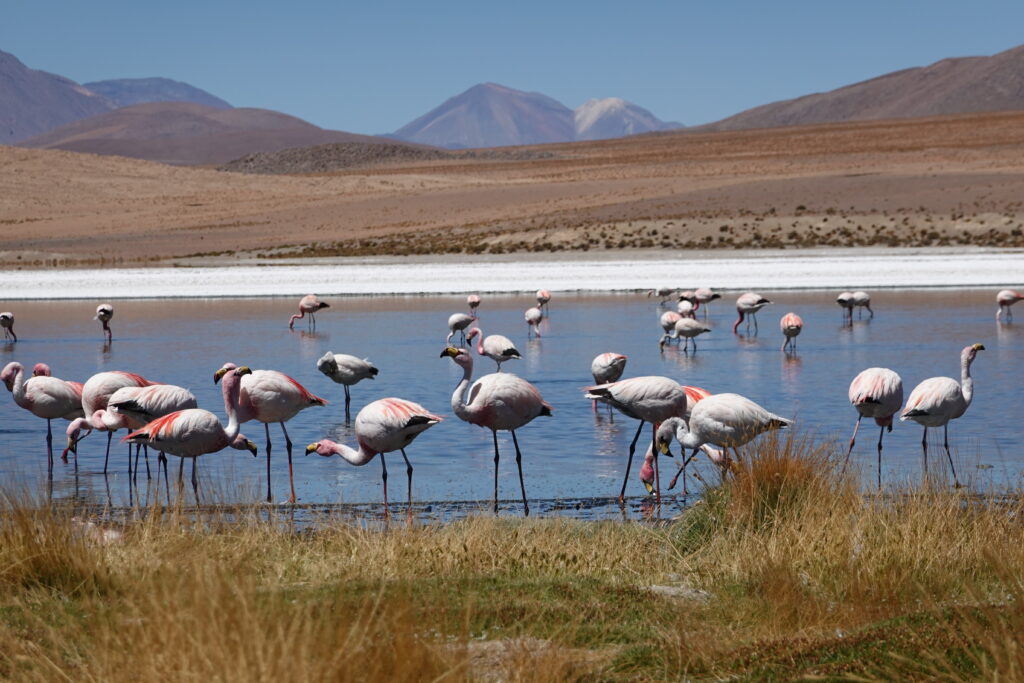
If you only have one day to spare but still want a real taste of Kenya’s wildlife and scenery, Lake Nakuru National Park is hard to beat. It’s close enough to Nairobi for a comfortable single-day trip, packs in one of Africa’s best rhino sanctuaries, and when conditions are right puts on one of the most photographed wildlife spectacles on the continent: a shoreline turned pink by thousands of flamingos. Here’s what to expect from a Lake Nakuru day trip, and how to make the most of it. Where it is and how far Lake Nakuru National Park sits inside the Great Rift Valley, roughly 140–160 km northwest of Nairobi about a 2.5 to 3-hour drive each way. That makes it one of the most accessible of Kenya’s major parks for a genuine day trip, without the early 4 AM starts or overnight logistics that places like Amboseli or the Maasai Mara require. The drive itself is part of the experience: leaving the city, the road climbs and then drops into the Rift Valley, with viewpoints along the way offering sweeping views of the valley floor, dormant volcanoes, and scattered lakes below. Why Lake Nakuru is worth the trip A serious rhino sanctuary. Lake Nakuru is one of the best places in Kenya to see both black and white rhino in the wild the park is a dedicated sanctuary for both species, and sightings here are considerably more reliable than in many larger, more famous parks. The flamingo spectacle (when the conditions line up). Lake Nakuru’s alkaline waters have long been famous for drawing enormous flocks of lesser flamingos, sometimes turning the shoreline a vivid pink. Flamingo numbers shift with the lake’s water levels and algae supply from year to year, so it’s worth asking your operator about current conditions before you go but even in quieter years, the lake holds pelicans, herons, cormorants, and a long list of other waterbirds among the park’s 400-plus recorded species. Big cats and more. Beyond rhinos and birdlife, the park is home to lions, leopards, giraffes (including the localized Rothschild’s giraffe), buffalo, zebra, and baboons. One notable absence: Lake Nakuru has no elephants, so if elephants are your priority, pair this trip with Amboseli or the Maasai Mara instead. Rift Valley scenery. The park’s mix of acacia woodland, grassy plains, cliffs, and the lake itself all framed by the Rift Valley escarpment makes it a rewarding stop for photography beyond just the wildlife. What a day trip looks like Early morning pickup from your Nairobi hotel or residence, typically between 6:00 and 7:00 AM to make the most of the day and beat traffic leaving the city. Scenic drive through the Great Rift Valley, usually with a stop at a viewpoint for photos before descending toward Nakuru. Morning game drive inside the park prime time for spotting rhinos, lions, and other wildlife while temperatures are cool and animals are active. Lakeshore stop to see the flamingos and other waterbirds up close. Picnic lunch at a scenic spot within the park. Afternoon game drive on the way out, covering different sections of the park for a last chance at giraffes, zebras, and anything missed in the morning. Return to Nairobi, arriving back in the city by early evening. Best time to visit Lake Nakuru is a rewarding destination year-round, but a few things shift by season: Because flamingo presence depends on the lake’s chemistry and water level rather than a fixed calendar, it’s worth checking current conditions with a local operator rather than relying on general seasonal advice alone. Tips for your visit Booking your Lake Nakuru day trip Because it’s doable comfortably in a day, Lake Nakuru is a popular choice for travelers on a layover, a short Nairobi stay, or anyone looking to combine a serious wildlife encounter with minimal time investment. Michoore Tours & Travel runs private day trips to Lake Nakuru National Park from Nairobi, with return transport, a picnic lunch, and an experienced driver-guide included. Book your Lake Nakuru day trip with Michoore

Lake Nakuru Day Trip from Nairobi: Flamingos, Rhinos & the Great Rift Valley Read More »

Amboseli National Park Safari from Nairobi

Amboseli National Park Safari from Nairobi: The Complete 2-Day Guide

If there’s one photograph that sums up an African safari, it’s an elephant herd walking across open grassland with Mount Kilimanjaro rising behind them. That shot is basically Amboseli National Park’s signature and it’s one of the easiest big-name parks to reach from Nairobi, making it a favorite for travelers who don’t have two weeks to spare but still want a proper Big Five experience. Here’s everything you need to know before booking a 2-day Amboseli safari from Nairobi. Why Amboseli, and why 2 days? Amboseli is roughly 240 km southeast of Nairobi about a 3.5 to 4-hour drive. That’s too far for a comfortable single-day round trip if you actually want time in the park, so most operators (Michoore included) run it as a 2-day, 1-night safari: drive down in the morning, afternoon game drive, overnight at a lodge or tented camp near the park, then a full morning game drive before heading back to Nairobi. Two days gives you two game drives at the best wildlife-viewing times early morning and late afternoon instead of the flat, hot midday light you’d be stuck with on a rushed single-day trip. What makes Amboseli different from other Kenyan parks What you’ll likely see Elephants are the headline act, but Amboseli’s open plains and swamp edges are also reliable for lions, cheetahs, giraffes, buffalo, hippos, and well over 400 recorded bird species. Rhino numbers are low here if that’s a priority, pair Amboseli with a park like Ol Pejeta instead. Best time to visit A typical 2-day itinerary Day 1 Early departure from Nairobi (roughly 6:00–7:00 AM to beat traffic), with a stop en route. Arrive at Amboseli by lunchtime, check in, and head out for an afternoon game drive as temperatures cool and animals become more active. Day 2 Early morning game drive this is prime time for both wildlife activity and clear Kilimanjaro views before clouds roll in. Breakfast back at the lodge, then the drive back to Nairobi, typically arriving by mid-afternoon. What to pack Neutral-colored clothing, a hat and sunscreen, binoculars if you have them, a light jacket for cool early mornings, and a good camera or phone with a solid zoom Kilimanjaro shots are worth getting right. Booking your Amboseli safari Amboseli’s distance from Nairobi means logistics matter: vehicle reliability, an experienced driver-guide who knows the park’s game-viewing circuits, and a well-located lodge all make the difference between a good trip and a great one. Michoore Tours & Travel runs 2-day private Amboseli safaris from Nairobi with all transport, park fees, and accommodation handled for you. Book your Amboseli safari with Michoore →

Amboseli National Park Safari from Nairobi: The Complete 2-Day Guide Read More »

Maasai Mara Safari from Nairobi: Complete Travel Guide

Maasai Mara Safari from Nairobi: Complete Travel Guide

A Maasai Mara safari from Nairobi is one of the best ways to experience Kenya’s incredible wildlife. Located in southwestern Kenya, the Maasai Mara National Reserve is famous for its beautiful savannah landscapes, abundant wildlife and the spectacular Great Migration. For travellers staying in Nairobi, the Mara is also convenient to reach by road or air. A road journey generally takes about 5–6 hours, while flights from Nairobi’s Wilson Airport can take around 45 minutes. Whether you are planning your first safari, a weekend getaway or a longer wildlife adventure, understanding the journey, accommodation, activities and best time to visit can help you plan a memorable trip. How Far Is Maasai Mara from Nairobi? The distance between Nairobi and the Maasai Mara is approximately 225–275 kilometres, depending on the route and gate you use. Travelling by road allows you to enjoy views of the Great Rift Valley and the Kenyan countryside along the way. Most road trips take approximately five to six hours, although traffic, stops and road conditions can affect the journey time. For travellers who prefer to save time, flying from Wilson Airport is another option. Flights can take approximately 35–45 minutes, making this a convenient choice for visitors with limited time. How to Travel from Nairobi to Maasai Mara There are two main ways to travel from Nairobi to the Maasai Mara: by road or by air. A road safari from Nairobi to Maasai Mara is often a popular choice because it allows travellers to enjoy the journey as part of the adventure. You can travel in a safari vehicle with a professional driver-guide and enjoy views of the Great Rift Valley before reaching the reserve. Flying is ideal for travellers who want to spend more time inside the Mara and less time travelling. Several airstrips serve different areas of the Maasai Mara, allowing visitors to stay closer to their chosen camp or lodge. What Can You See in Maasai Mara? The Maasai Mara is home to an impressive variety of wildlife. Visitors have the opportunity to see lions, elephants, leopards, cheetahs, buffaloes, giraffes, zebras, hippos and many species of birds. The reserve is also famous for the Great Wildebeest Migration, when large numbers of wildebeest and other grazing animals move through the Mara-Serengeti ecosystem. The main migration period is generally between July and October, although wildlife viewing in the Mara is possible throughout the year. How Many Days Do You Need in Maasai Mara? For first-time visitors, a 3-day Maasai Mara safari from Nairobi is a popular choice because it provides enough time for several game drives without requiring a long holiday. Current safari guides commonly recommend three days and two nights as a good balance between time, cost and wildlife viewing. A typical itinerary could involve travelling from Nairobi on the first morning, arriving in the Mara for lunch and enjoying an afternoon game drive. The second day can be dedicated to exploring the reserve, while the final morning can include an early game drive before returning to Nairobi. Travellers with more time can choose four, five or more days to explore different areas and enjoy a slower safari experience. Best Time for a Maasai Mara Safari The best time to visit Maasai Mara depends on what you want to experience. July to October is especially popular because it coincides with the Great Migration. August and September are often associated with spectacular wildlife activity, although the exact timing of migration events can vary from year to year. If you prefer fewer crowds, other months can also provide excellent wildlife experiences. The Mara has resident wildlife throughout the year, so you do not necessarily need to travel during migration season to enjoy a fantastic safari. Where to Stay in Maasai Mara Accommodation ranges from budget-friendly camps to comfortable mid-range lodges and luxury safari camps. Your choice will depend on your budget, preferred location and the type of experience you want. When choosing accommodation, consider its distance from the reserve or conservancy, included meals, game-drive arrangements and accessibility. Staying closer to the areas you want to explore can give you more time for wildlife viewing. Why Choose Michoore Tours & Travel? Planning a Maasai Mara safari from Nairobi is easier when you have an experienced tour operator to handle the important details. MICHOORE TOUR & TRAVEL offers safari experiences, private tours and transfers designed around different travel needs and budgets. Michoore Tours & Travel offers a 3–5 day Masai Mara private safari, as well as a Masai Mara transfer from Nairobi. The company focuses on creating personalised travel experiences and can help travellers organise transportation, accommodation and safari activities. Plan Your Maasai Mara Safari from Nairobi A Maasai Mara safari from Nairobi is an unforgettable way to experience Kenya’s wildlife and natural beauty. Whether you choose to travel by road or fly, a well-planned itinerary allows you to enjoy game drives, spectacular landscapes and the possibility of seeing some of Africa’s most famous wildlife. If you are ready to explore the Maasai Mara, Michoore Tours & Travel can help you plan a safari that matches your schedule, interests and budget. From a short safari to a longer private adventure, your journey to the Mara can be planned to give you a comfortable and memorable Kenyan safari experience.

Maasai Mara Safari from Nairobi: Complete Travel Guide Read More »

Planning a Kenya safari

Kenya safari cost

Planning a Kenya safari is an exciting experience, but one of the first questions most travellers ask is: How much does a Kenya safari cost? The answer depends on several factors, including the safari destination, number of days, accommodation, transportation, season and type of safari. In 2026, travellers can find Kenya safari packages ranging from affordable group trips to luxury private experiences. Generally, a budget Kenya safari can cost around USD 150–250 per person per day, while mid-range safaris can range from approximately USD 250–500 per person per day. Luxury safaris may cost USD 600–1,500 or more per person per day. These are broad estimates because every safari itinerary is different. What Determines the Cost of a Kenya Safari? The biggest factor affecting the cost of a Kenya safari is the level of accommodation. Budget travellers can choose campsites and simple tented camps, while mid-range travellers can enjoy comfortable lodges and tented camps. Luxury travellers can choose premium lodges, private conservancies and exclusive safari camps. The length of your trip also matters. A three-day safari will naturally cost less than a seven-day or ten-day safari. However, longer trips can sometimes offer better value because transportation and guide costs are spread across more days. Your choice of destination also affects the final price. Popular destinations such as the Maasai Mara National Reserve can be more expensive during peak travel periods, especially around the Great Migration. Other destinations, including Amboseli, Lake Nakuru and Tsavo, can offer different price points depending on accommodation and season. Budget Kenya Safari Cost A budget safari is a good option for travellers who want to experience Kenya’s wildlife without spending too much. Prices can start at approximately USD 150–250 per person per day, depending on the itinerary and inclusions. Budget safaris commonly use shared safari vehicles, basic accommodation and group game drives. They can be particularly suitable for solo travellers, students, backpackers and travellers who are more interested in wildlife experiences than luxury accommodation. Choosing a group safari, travelling during lower-demand periods and selecting affordable accommodation can help reduce your overall safari cost. Mid-Range Kenya Safari Cost For travellers looking for a balance between comfort and affordability, a mid-range Kenya safari is often the most popular option. Prices generally range from around USD 250–500 per person per day. Mid-range packages may include comfortable lodges or tented camps, meals, game drives, park fees, transportation and a professional driver-guide. Depending on the itinerary, travellers can combine destinations such as Maasai Mara, Lake Nakuru and Amboseli. For many first-time visitors, this category provides a good combination of comfort, wildlife viewing and value for money. Luxury Kenya Safari Cost Luxury safaris offer a more exclusive experience and can cost USD 600–1,500 or more per person per day. High-end packages may include luxury lodges, private vehicles, premium meals, private guides, flights between destinations and stays in private conservancies. Luxury safari prices can increase significantly during peak seasons and for exclusive properties. Travellers choosing this option should check exactly what is included before making a booking. What Is Included in a Kenya Safari Package? Before comparing safari prices, always check what the package includes. A safari package may include accommodation, meals, transportation, game drives, professional guiding and park entry fees. Some costs are usually separate, including international flights, travel insurance, personal shopping, tips and optional experiences. Asking your tour operator for a detailed quotation helps you understand exactly what you are paying for. How to Save Money on a Kenya Safari You do not need a huge budget to experience a memorable Kenya safari. Consider travelling during the low or shoulder season, joining a group safari, choosing mid-range accommodation and planning your itinerary carefully. Booking early can also help you secure preferred accommodation and avoid last-minute price increases. Most importantly, compare what different safari operators include rather than choosing a package based only on the advertised price. Book Your Kenya Safari with Michoore Tours & Travels A Kenya safari can be tailored to different budgets, travel styles and schedules. Whether you are looking for an affordable group adventure, a comfortable private safari or a luxury wildlife experience, proper planning can help you get the most from your budget. Michoore Tours & Travels can help you plan a Kenya safari based on your preferred destinations, travel dates, accommodation and budget. From the famous Maasai Mara to Amboseli, Lake Nakuru and other wildlife destinations, the right itinerary can make your Kenyan adventure truly unforgettable. Start planning your Kenya safari in 2026 and discover the incredible wildlife, landscapes and culture that make Kenya one of Africa’s most exciting safari destinations.

Kenya safari cost Read More »