Michoore

The big 5 in Kenya

The Big Five in Kenya

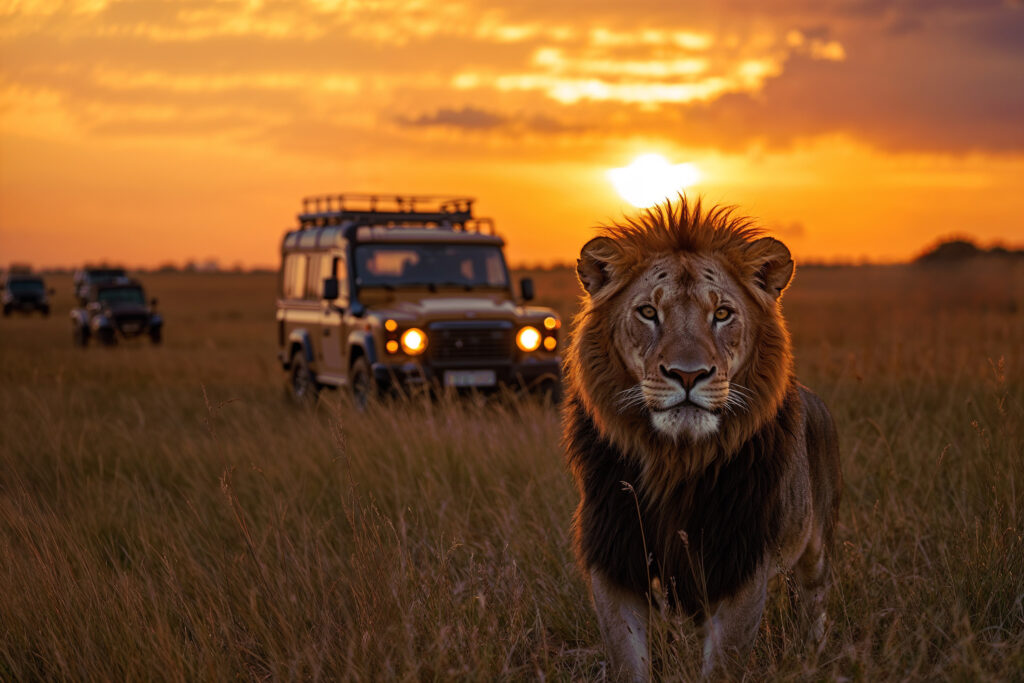
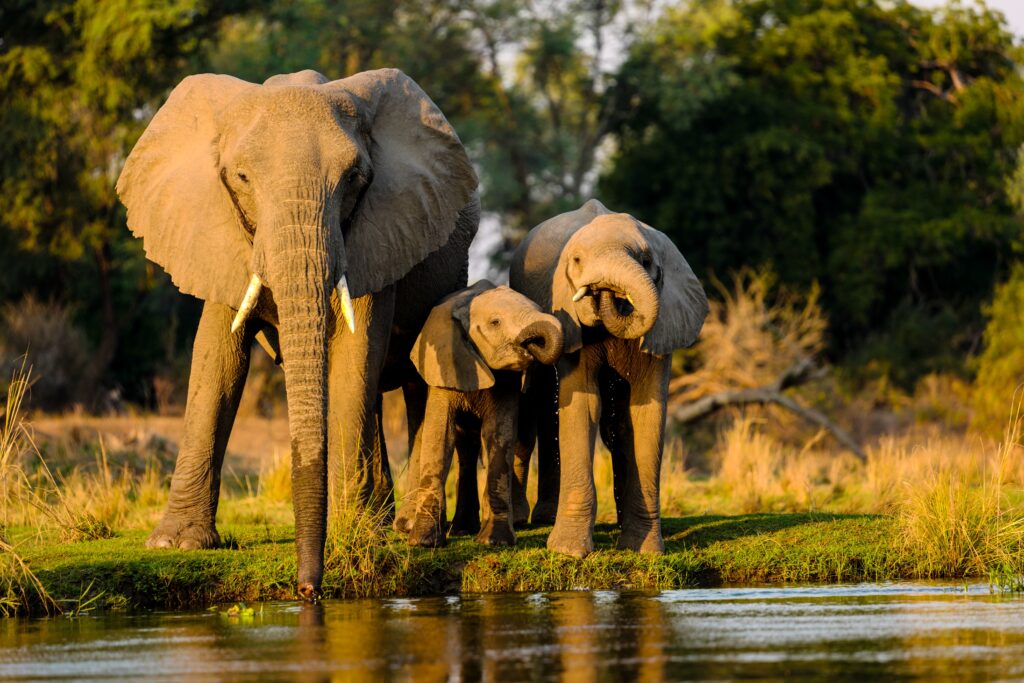
Kenya is world-famous as one of the best safari destinations on Earth — a place where vast golden savannahs meet dramatic mountain ranges and wildlife thrives in abundance. Among the many species that call Kenya home, the big five in kenya stand out as the most sought-after safari animals: the lion, leopard, elephant, buffalo, and rhinoceros. The term “Big Five” was originally used by early hunters to describe the five most challenging animals to track on foot. Today, it represents the ultimate wildlife experience spotting the big five in Kenya in their natural habitat is every safari traveler’s dream. In this guide, we’ll explore each member of the Big Five, where to find them, and the best time to plan your safari in Kenya. The Lion – King of the Savannah No animal symbolizes Africa’s wild spirit quite like the lion. Known as the King of the Jungle, lions are social cats that live in prides and dominate Kenya’s open grasslands. Seeing a lion in the wild especially during a hunt or a lazy afternoon rest is an unforgettable moment. Top places to see lions in Kenya: The African Elephant – Gentle Giant of the Wild The African elephant is the world’s largest land mammal, revered for its intelligence and family bonds. Watching a herd cross the savannah or bathe in a river is a highlight of any Kenyan safari. Best places to spot elephants: The African Buffalo – The Relentless Powerhouse The African buffalo may look calm, but it’s one of Africa’s most formidable animals. Moving in large herds, buffaloes are powerful and surprisingly fast. Their size and unpredictable nature make them a thrilling sight on any safari. Where to see buffalo in Kenya: The Leopard – The Elusive Hunter The leopard is the most elusive of Kenya’s Big Five. Solitary, graceful, and nocturnal, these spotted cats are often seen resting on tree branches or silently stalking their prey. Top locations for leopard sightings: The Rhinoceros – Kenya’s Endangered Treasure Kenya plays a crucial role in rhino conservation, protecting both black and white rhinoceroses. Seeing one in the wild is a truly special experience, as they are among Africa’s most endangered species. Best places to see rhinos in Kenya: Best Time to See the Big Five in Kenya The dry season (June to October) is the best time for Big Five safaris in Kenya, as animals gather around waterholes and visibility is excellent. The green season (November to May), however, offers lush scenery, fewer crowds, and plenty of newborn wildlife ideal for photographers

The Big Five in Kenya Read More »
Difference Between a Tour Company & Travel Agency

If you have ever planned a trip, you have probably come across the terms tour company and travel agency. Many travelers use these words interchangeably, but in reality, they describe two different types of businesses within the travel industry. Understanding the difference between a tour company and a travel agency helps you choose the right service for your next vacation, business trip, or adventure abroad. This article explains what each one does, how they differ, and how to decide which option fits your travel needs. What Is a Travel Agency? A travel agency is a business that acts as an intermediary between travelers and travel service providers such as airlines, hotels, cruise lines, and car rental companies. The main role of a travel agency is to help customers plan, book, and manage their trips conveniently and efficiently. Key Functions of a Travel Agency A travel agency simplifies the entire travel process by handling all the logistics and ensuring that every detail, from departure to return, is well coordinated. What Is a Tour Company? A tour company is responsible for creating, organizing, and operating travel experiences. Unlike travel agencies that focus on booking services, tour companies design and manage the entire travel experience from start to finish. Key Functions of a Tour Company A tour company is directly involved in running the tours themselves, ensuring travelers enjoy a seamless and memorable experience. Main Differences Between a Tour Company and a Travel Agency Aspect Travel Agency Tour Company Main Role Acts as a middleman between travelers and service providers. Designs and operates tours and travel experiences. Services Offered Books flights, hotels, car rentals, and travel insurance. Offers complete tour packages including guides and activities. Business Model Earns commission from suppliers such as airlines and hotels. Earns profit from selling its own tours and packages. Customer Experience Focuses on travel planning and logistics. Focuses on delivering the travel experience itself. Personalization Customizes trips using different services. Provides themed or fixed itinerary tours. Which One Should You Choose? The right choice depends on what kind of traveler you are and the type of trip you want. Choose a travel agency if you prefer to organize your own itinerary but need help booking flights, hotels, or securing travel documents. Travel agencies are ideal for solo travelers, families, or business professionals who want flexibility and convenience. Choose a tour company if you want a guided, stress-free experience where everything is prearranged. Tour companies are perfect for group tours, cultural expeditions, safaris, or travelers who prefer structure and expert guidance. In many cases, travel agencies and tour companies work together. A travel agent might book you on a tour operated by a tour company, allowing you to benefit from both professional planning and a well-managed travel experience. Final Thoughts Both travel agencies and tour companies play vital roles in the tourism industry, but their focus and responsibilities differ. A travel agency helps you plan and organize your trip, while a tour company provides the actual travel experience. Understanding the difference ensures you receive the right service for your travel goals.

Difference Between a Tour Company & Travel Agency Read More »

7 Easy Ways to Identify a Legit Travel Agency in Kenya

7 Easy Ways to Identify a Legit Travel Agency in Kenya

Planning a trip should be exciting, not stressful. These are the 7 easy ways to identify a legit travel Agency in Kenya. Unfortunately, many travellers in Kenya have fallen victim to fake travel agencies that disappear after receiving payment. With travel scams on the rise, it’s important to know the 7 easy ways to identify a legit travel Agency in Kenya This guide has 7 Easy Ways to Identify a Legit Travel Agency in Kenya. 1. Check for Registration with the Tourism Regulatory Authority (TRA) Every legitimate travel agency in Kenya must be licensed by the Tourism Regulatory Authority (TRA). This government body regulates all tourism-related businesses, including tour operators, travel agents, and hotels. Before working with any agency, ask for their TRA licence number. You can verify it directly on the Tourism Regulatory Authority website or by contacting their offices. A licensed agency will have no problem sharing its certification. If the agency hesitates to provide proof of registration, that’s a major red flag. 2. Look for Kenya Association of Travel Agents (KATA) Membership The Kenya Association of Travel Agents (KATA) is another sign of credibility. KATA vets and approves travel agencies that meet high standards of professionalism and reliability. You can check the KATA membership directory on katakenya.org to confirm if an agency is listed. Members often display the KATA logo on their website or social media pages. KATA membership means the agency follows industry ethics and has been verified as a trustworthy operator. 3. Verify Physical Address and Contact Information A legitimate travel agency in Kenya will always have a verifiable physical office, valid email address, and active phone numbers. Avoid agencies that operate solely online without sharing any real contact details. If possible, visit their office to confirm their existence before making any payments. Even a quick Google Maps check can help you confirm if the location actually exists. Be wary of agencies that only use WhatsApp or social media for communication without a registered business name. 4. Read Reviews and Testimonials Customer feedback says a lot about an agency’s reputation. Search for reviews on Google, TripAdvisor, or social media platforms. Legit travel agencies will have a track record of satisfied clients who share positive experiences, photos, and comments. On the other hand, fake agencies often have poor or no online presence—or a suspicious flood of fake five-star reviews posted on the same day. Pay attention to how the agency responds to complaints. A professional business will handle criticism respectfully and offer solutions. 5. Check Their Website and Online Presence A professional travel agency will invest in a clean, informative website that clearly outlines its services, destinations, and contact information. Watch out for: Also, check how active they are on Facebook, Instagram, and LinkedIn. A genuine company often posts about recent trips, client testimonials, and upcoming offers. 6. Be Careful with Payment Methods Never send money to a personal number or account. Legitimate agencies use registered business accounts, bank transfers, or secure online payment gateways. Ask for an official receipt and a written invoice detailing your package and payment breakdown. Avoid agencies that demand full payment upfront without a contract or refund policy. 7. Compare Prices Before Booking If the price sounds too good to be true—it probably is. Scammers often lure travellers with unbelievably cheap deals that turn out to be fake. Take time to compare prices with other licensed agencies offering similar packages. Reputable travel agents will provide detailed cost breakdowns, including accommodation, transport, and park fees.

7 Easy Ways to Identify a Legit Travel Agency in Kenya Read More »

Types of Tour Operators in Africa

7 Types of Tour Operators in Africa

Africa is a continent full of wonders, from the wild savannas of Kenya to the deserts of Namibia and the vibrant cities of South Africa. Every great journey begins with the right tour operator. These are the professionals who handle all the planning, logistics, and unique experiences that make travel unforgettable. Here’s a detailed look at the different types of tour operators in Africa and how each one plays a role in shaping your dream adventure. 1. Inbound Tour Operators Inbound tour operators handle travelers coming from other countries into Africa. They organize everything such as airport transfers, hotel bookings, safaris, cultural tours, and adventure trips. For example, a company based in Kenya may welcome tourists from Europe or the U.S. and plan a full safari experience across Maasai Mara or Amboseli. These operators work closely with hotels, transport providers, and local guides to give visitors a smooth and authentic African experience. SEO keywords: inbound tour operators in Africa, African safari packages, travel agencies in Kenya 2. Outbound Tour Operators Outbound tour operators manage trips for African residents traveling abroad. Their work involves organizing flights, accommodation, visas, and excursions to destinations outside the continent. For instance, a South African agency may offer group tours to Europe, Asia, or the Middle East. These operators make international travel easy for Africans by handling all requirements from start to finish. 3. Domestic Tour Operators Domestic tour operators focus on local tourism within their own country. They plan short getaways, family holidays, and weekend trips for citizens who want to explore their homeland. In Kenya, they might arrange trips to Naivasha, Mombasa, or Mount Kenya. Domestic tourism has become more popular as more Africans choose to discover hidden gems closer to home. SEO keywords: domestic tourism in Africa, local travel packages, Kenya travel destinations 4. Regional Tour Operators Regional tour operators organize tours across several countries within Africa. They are ideal for travelers who want to experience multiple destinations in one trip such as Kenya, Tanzania, and Uganda in East Africa, or Zambia, Zimbabwe, and Botswana in Southern Africa. These operators have strong partnerships across borders and handle complex logistics like visas, transport, and cross-border safaris. They’re popular with tourists looking for broader African experiences. SEO keywords: regional tour operators in Africa, East Africa safari packages, multi-country African tours 5. Ground Handlers / Destination Management Companies (DMCs) Ground handlers, also known as Destination Management Companies (DMCs), work behind the scenes to coordinate logistics for international travel agencies. They handle everything once travelers arrive, from airport pickups to hotel check-ins and guided safaris. For example, a Ugandan DMC may partner with a U.K.-based company to deliver top-notch experiences on the ground. Their attention to detail ensures travelers have safe, organized, and unforgettable adventures. SEO keywords: destination management companies in Africa, ground handlers in Africa, African travel logistics 6. Specialized Tour Operators Specialized tour operators design trips based on specific themes or interests. They serve travelers who want something unique, whether that’s adventure, culture, or luxury. Examples include: SEO keywords: adventure travel Africa, eco-tourism in Kenya, cultural tours in Africa, luxury safari experiences 7. Online Tour Operators Online tour operators have transformed how people explore and book travel. They operate mainly through websites and apps, allowing travelers to compare and book packages directly. With just a few clicks, tourists can plan safaris, pay securely, and receive digital itineraries. Online operators make African tourism more accessible to travelers worldwide. SEO keywords: online tour operators in Africa, book African safaris online, digital travel platforms Choosing the Right Tour Operator Before booking, check the company’s reviews, licenses, and experience. A good operator will not only take care of your logistics but also make sure you experience Africa authentically through its people, wildlife, and culture. Whether you’re chasing sunsets in Zanzibar, tracking gorillas in Uganda, or exploring Cape Town’s coastline, Africa has the right tour operator to make it happen.

7 Types of Tour Operators in Africa Read More »

The big 5 in Kenya

How to Start a Tours and Travel Company

The travel industry is a dynamic and lucrative field, especially as more people prioritize experiences over possessions. Starting your own tours and travel company can be both fulfilling and profitable if done right. Whether you’re passionate about sharing your local culture, planning luxury vacations, or organizing adventure trips, this step-by-step guide on how to start a tours and travel company, will walk you through everything you need to know about how to start a travel agency or tour operator business from scratch. 9 steps on how to start a Tours and Travel Company? Before we dive into the how, let’s briefly touch on the why. The travel industry continues to rebound after global disruptions, with millions of travelers seeking curated, authentic, and convenient experiences. Whether it’s solo travelers seeking offbeat paths, families looking for stress-free vacations, or corporate clients needing organized itineraries there’s a huge market for travel services. Key Benefits: Now let’s get into on how to start a tours and travel company. 1.Step 1: Define Your Niche The travel industry is vast, so it’s essential to focus on a specific travel niche that aligns with your interests and market demand. Popular Travel Niches: Pro Tip: Conduct market research to identify gaps in your local or target market. Tools like Google Trends, travel forums, and social media can offer valuable insights when researching on how to start a tours and travel company. 2.Step 2: Create a Business Plan A solid travel agency business plan will guide your company on how to start a tours and travel company. Key Elements to Include: Having a clear business plan also helps if you plan to seek funding or partnership opportunities. 3. Step 3: Register Your Business and Obtain Licenses Depending on your country or region, you’ll need to legally register your tours and travel company as that is a requirement on how to start a tours and travel company. Legal Steps: In Some Countries: You might also need approval or accreditation from the local tourism board or travel regulatory authorities. 4.Step 4: Build Your Services and Tour Packages Once you’re registered, it’s time to develop your travel packages and services. This is your core offering, so it must be attractive, well-priced, and deliver real value. Examples of Services: Pro Tip: Partner with local vendors (hotels, transport providers, restaurants, and guides) to negotiate better rates and ensure quality service. 5.Step 5: Build a Travel Website That Converts In today’s digital age, your travel website is your biggest asset. It’s where potential customers learn about your services, view packages, and make bookings. Must-Haves for Your Travel Website: If you’re not tech-savvy, hire a professional web developer who understands SEO for travel websites and can integrate booking engines or CRM systems. 6.Step 6: Focus on Digital Marketing No matter how good your services are, you won’t attract customers without a solid travel marketing strategy. Essential Marketing Tactics: Invest in both organic and paid strategies (like Google Ads or Facebook Ads) to gain traction faster. 7.Step 7: Create Strategic Partnerships Building partnerships can accelerate your growth. Collaborate with: 8.Step 8: Focus on Customer Service and Reviews In the travel industry, word-of-mouth and online reviews are powerful. Happy customers become repeat clients and brand advocates. Best Practices: Your goal should be to build trust and a loyal customer base. 9.Step 9: Keep Improving and Innovating Travel trends change rapidly. Stay up-to-date with the latest in tourism technology, on how to start a tours and travel company, customer preferences, and destination policies. Keep Learning:

How to Start a Tours and Travel Company Read More »

Must-Visit Safari Destinations in East Africa

Why Visit Nairobi National Park?

If you’re searching for an unforgettable wildlife experience just minutes from a major city, Nairobi National Park is the perfect destination. Located only 7 km (about 4 miles) from the heart of Kenya’s capital, it offers a truly unique safari experience a place where African wildlife roams freely against the backdrop of a modern city skyline. Below are a breakdown of why you should visit Nairobi National Park. 7 reasons why you should visit Nairobi National Park? Nairobi National Park holds the unique distinction of being the only national park in the world located within a capital city. This rare blend of urban and wild environments makes it an incredible location for travelers who want to experience nature without venturing too far off the grid. 1. The Only National Park Inside a Capital City Whether you’re on a short layover in Nairobi, attending a business conference, or just starting your safari adventure, this park offers reasons as to why you should Visit Nairobi National Par? a convenient and time-efficient way to see Africa’s Big Game. 2. Home to the Big Game – Including Rhinos and Lions Despite its proximity to the city, Nairobi National Park is home to a rich variety of wildlife, including: It’s one of the best places in Kenya to spot black rhinos in the wild, making it a vital stop for conservation-focused travelers and wildlife photographers. 3. Stunning Photo Opportunities Few places in the world offer the chance to capture a photo of a giraffe walking in front of city skyscrapers. The park’s contrasting scenery of open grasslands and urban skyline creates a one-of-a-kind visual experience that appeals to tourists, content creators, and photographers alike. 4. Perfect for Day Trips and Short Safaris You don’t need a full-day excursion or a long journey to enjoy a genuine safari. Nairobi National Park is ideal for: Tour companies offer affordable safari packages that include transport, park fees, and experienced guides — making it easy and hassle-free to explore. 5. Easily Accessible from Nairobi Hotels and the Airport With its location just a short drive from Jomo Kenyatta International Airport (JKIA), this is a valid reason why should visit Nairobi National Park and central Nairobi, the park is extremely accessible. Many travelers visit the park on arrival or before departing Kenya, making the most of their travel time. 6. A Conservation Success Story of Why Visit Nairobi National Park? Nairobi National Park isn’t just a tourist attraction — it’s also a critical sanctuary for endangered species and a symbol of Kenya’s conservation efforts. The park plays a vital role in breeding and protecting wildlife, especially black rhinos. Visitors also get to see educational sites like the Ivory Burning Site Monument, which marks Kenya’s stand against poaching. 7. Nearby Attractions to Enhance Your Experience You can combine yoy why Visit Nairobi National Park with other top-rated Nairobi attractions: This makes it easy to create a full day of exploration and wildlife encounters within and around the city. Ready for a One-of-a-Kind Safari Experience? If you’re looking for a wildlife adventure near Nairobi, Nairobi National Park offers everything incredible animals, breathtaking scenery, and the convenience of being minutes from the city. Whether you’re a solo traveler, family, or group, this park delivers authentic reasons as to why you should visit Nairobi National Park Book your Nairobi National Park safari today and discover why this unique park is one of Kenya’s best-kept travel secrets!

Why Visit Nairobi National Park? Read More »

Ten top Safaris

How to Travel Kenya Safely: An Insider’s Guide

Kenya is a dream destination for many travelers -home to breathtaking safaris, rich culture, and world-famous beaches. But like any international trip, safety is an important part of planning. At Michoore Tours and Travel, we’ve guided countless visitors and know the ins and outs of traveling safely in Kenya. This guide gives you practical, insider advice on how to travel Kenya safely. Choose Trusted Transport Options Mistake travelers make: Hopping on random taxis or buses without checking safety.Insider Tip: Use trusted tour companies (like Michoore Tours), registered taxis, or ride-hailing apps like Uber and Bolt in cities. For long distances, travel with reputable bus companies or domestic flights. Be Smart About Money – Avoid carrying large amounts of cash.– Use ATMs in safe, well-lit areas (preferably inside banks or malls).– Keep wallets and phones out of sight in crowded areas. Insider hack: Carry small bills in Kenyan Shillings for tips, snacks, and local markets. Blend In With Locals – Bright flashy clothes and jewelry can attract unwanted attention.– Stick to simple, comfortable clothing in neutral colors.– Learn a few Swahili greetings—locals love it when you say ‘Jambo!’ (Hello) or ‘Asante’ (Thank you). Stay Healthy on the Road – Drink bottled or filtered water—avoid tap water.– Always carry sunscreen and mosquito repellent.– Pack a small first-aid kit for emergencies. Insider hack: If you’re going on safari, pack motion sickness tablets for bumpy game drives. Respect Wildlife Rules – Never get too close to wild animals even if they look calm.– Keep noise low during game drives.– Always listen to your guide; safety comes before selfies. Stay Connected (But Don’t Rely on Wi-Fi) – Buy a local SIM card (Safaricom or Airtel) for reliable calls and data.– Many lodges have limited Wi-Fi, so download offline maps before traveling. Know Where to Go (and Where Not To) – Kenya is safe for tourists, but like any country, some neighborhoods in Nairobi or Mombasa should be avoided after dark.– Always ask your guide or hotel for advice before exploring new areas. Travel with Experts The easiest way to ensure safety is traveling with a trusted tour company. At Michoore Tours and Travel, we handle your transport, guides, and accommodationso you can focus on enjoying the adventure stress-free. Final Word Kenya is as safe as you prepare for it. With the right planning, local insights, and trusted travel partners, your trip will be nothing short of unforgettable. Plan your next safe adventure with Michoore Tours and Travel today.

How to Travel Kenya Safely: An Insider’s Guide Read More »

The best way to tour africa

Best time for East Africa safari

Wondering when to plan your safari in East Africa? Learn about the best seasons for wildlife viewing in Kenya, Tanzania, Uganda, and Rwanda. Choosing the best time for an East Africa Safari can dramatically shape your experience. From witnessing the thunderous Great Migration to trekking through misty mountains in search of gorillas, each season offers something unique. East Africa is a region of breathtaking contrasts golden savannahs stretching endlessly under wide skies, lush rainforests echoing with bird calls, and snow-capped peaks rising above tropical plains. Whether you dream of watching lions stalk prey across the Serengeti, gliding across Kenya’s Masai Mara in a hot air balloon, or meeting gentle giants in Uganda’s Bwindi Impenetrable Forest, choosing the best time for East Africa safari will give you an easy time as a traveller. Understanding the best time for East Africa safari from the dry months that attract abundant wildlife to the lush green periods that bring new life and fewer crowds helps you plan a journey that matches your interests and travel style. Some travelers seek the best time for East Africa safari, like the Great Migration’s river crossings, while others prefer quieter times when the landscape bursts with color after the rains. In this guide, we’ll explore the best time for East Africa safari, highlighting the best months for game viewing, photography, birdwatching, and gorilla trekking. Whether you’re a first-time safari-goer or a seasoned adventurer, this guide will help you discover the best time for an East Africa safari when to go and why for the ultimate East African safari experience. Introduction Timing is everything when planning a safari! Whether you want to witness the Great Migration, see newborn wildlife, or enjoy fewer crowds, choosing the right season will make your safari unforgettable. Best Safari Seasons in East Africa 1. Peak Season (June – October): Best time for East Africa safari- Best for Wildlife Viewing The dry season is widely considered the best time for an East Africa safari, especially for first-time visitors. During these months, the landscape transforms — vegetation becomes sparse, and water sources dry up, drawing animals to rivers and waterholes. This makes it much easier to spot wildlife, from prides of lions lounging under acacia trees to elephants gathering at shrinking pools. Photographers love this season for its clear skies, warm light, and dramatic sightings. One of the biggest highlights of this period is the Great Migration, which typically takes place between July and September in Kenya’s Maasai Mara. This is when millions of wildebeest and zebras thunder across the plains in search of greener pastures, closely followed by predators like lions, cheetahs, and crocodiles. It’s one of nature’s most breathtaking spectacles and a bucket-list experience for many safari enthusiasts. Another advantage of the dry season is the lower mosquito population, thanks to the reduced rainfall. This means a lower risk of malaria, making it an excellent choice for families or travelers seeking extra comfort and peace of mind. However, because the dry season coincides with the most popular safari months, it’s also the busiest and most expensive time of year. Lodges and camps often book up months in advance, and prices rise accordingly. If you’re planning to travel during this time, it’s best to reserve early to secure your preferred accommodations and guides. Despite the higher costs, most visitors agree that the exceptional game viewing and perfect weather make it completely worthwhile. Unique Seasonal Experiences 2. Green Season (November – May): Best time for East Africa safari–Best for Budget Travelers & Bird Watching Lush landscapes and fewer tourists.Best time for bird watching, as migratory birds arrive.More affordable safari deals and discounts. Baby animals are born, attracting predators like lions and leopards.Can be rainy, making some roads difficult to access. Weather Breakdown by Region Best Time to Visit Popular Safari Destinations Maasai Mara, Kenya – July to October (Great Migration) Serengeti, Tanzania – December to July (Migration cycles) Bwindi, Uganda & Volcanoes, Rwanda – June to September (Best gorilla trekking conditions)Amboseli, Kenya – January to February & June to October (Best views of Mt. Kilimanjaro)

Best time for East Africa safari Read More »