Wondering when to plan your safari in East Africa? Learn about the best seasons for wildlife viewing in Kenya, Tanzania, Uganda, and Rwanda.
Choosing the best time for an East Africa Safari can dramatically shape your experience. From witnessing the thunderous Great Migration to trekking through misty mountains in search of gorillas, each season offers something unique. East Africa is a region of breathtaking contrasts golden savannahs stretching endlessly under wide skies, lush rainforests echoing with bird calls, and snow-capped peaks rising above tropical plains. Whether you dream of watching lions stalk prey across the Serengeti, gliding across Kenya’s Masai Mara in a hot air balloon, or meeting gentle giants in Uganda’s Bwindi Impenetrable Forest, choosing the best time for East Africa safari will give you an easy time as a traveller.
Understanding the best time for East Africa safari from the dry months that attract abundant wildlife to the lush green periods that bring new life and fewer crowds helps you plan a journey that matches your interests and travel style. Some travelers seek the best time for East Africa safari, like the Great Migration’s river crossings, while others prefer quieter times when the landscape bursts with color after the rains.
In this guide, we’ll explore the best time for East Africa safari, highlighting the best months for game viewing, photography, birdwatching, and gorilla trekking. Whether you’re a first-time safari-goer or a seasoned adventurer, this guide will help you discover the best time for an East Africa safari when to go and why for the ultimate East African safari experience.
Introduction
Timing is everything when planning a safari! Whether you want to witness the Great Migration, see newborn wildlife, or enjoy fewer crowds, choosing the right season will make your safari unforgettable.
Best Safari Seasons in East Africa
1. Peak Season (June – October): Best time for East Africa safari- Best for Wildlife Viewing
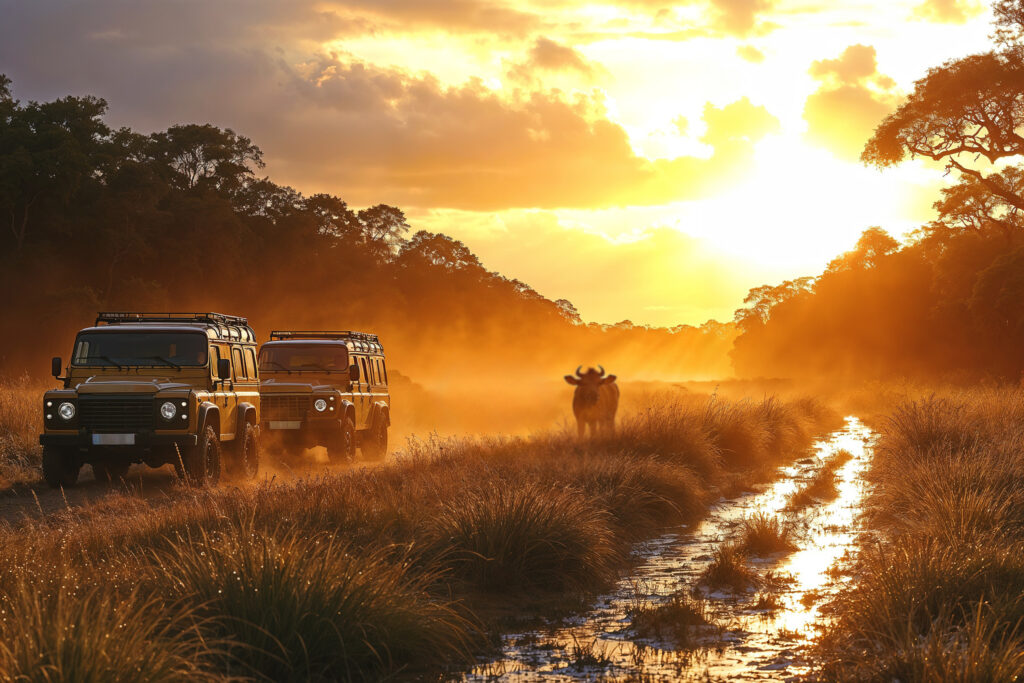
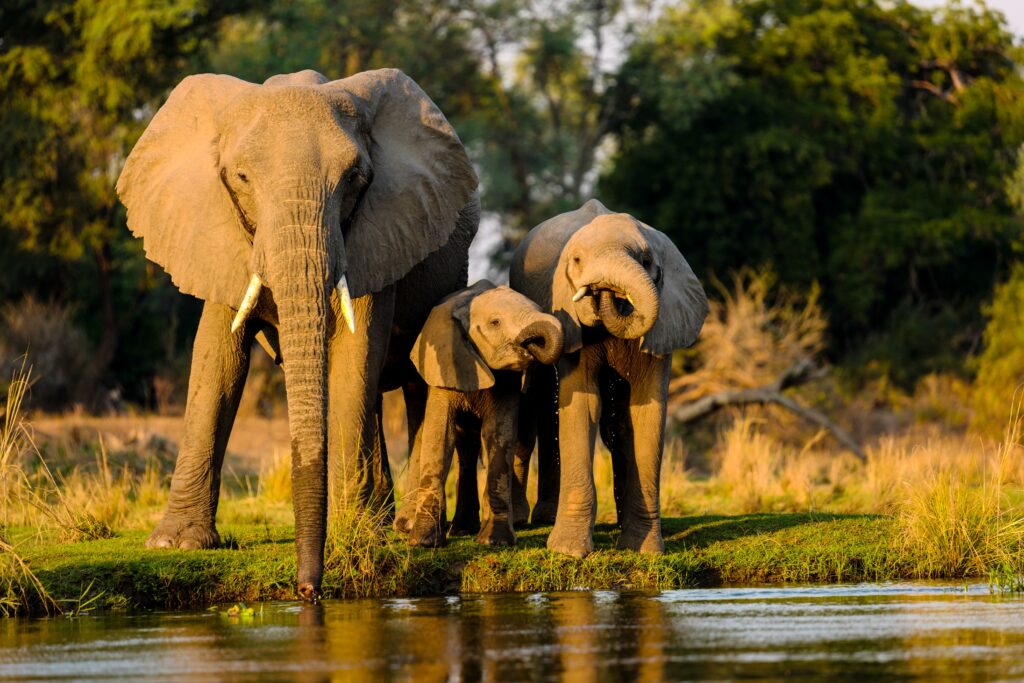
The dry season is widely considered the best time for an East Africa safari, especially for first-time visitors. During these months, the landscape transforms — vegetation becomes sparse, and water sources dry up, drawing animals to rivers and waterholes. This makes it much easier to spot wildlife, from prides of lions lounging under acacia trees to elephants gathering at shrinking pools. Photographers love this season for its clear skies, warm light, and dramatic sightings.
One of the biggest highlights of this period is the Great Migration, which typically takes place between July and September in Kenya’s Maasai Mara. This is when millions of wildebeest and zebras thunder across the plains in search of greener pastures, closely followed by predators like lions, cheetahs, and crocodiles. It’s one of nature’s most breathtaking spectacles and a bucket-list experience for many safari enthusiasts.
Another advantage of the dry season is the lower mosquito population, thanks to the reduced rainfall. This means a lower risk of malaria, making it an excellent choice for families or travelers seeking extra comfort and peace of mind.
However, because the dry season coincides with the most popular safari months, it’s also the busiest and most expensive time of year. Lodges and camps often book up months in advance, and prices rise accordingly. If you’re planning to travel during this time, it’s best to reserve early to secure your preferred accommodations and guides. Despite the higher costs, most visitors agree that the exceptional game viewing and perfect weather make it completely worthwhile.
Unique Seasonal Experiences
- Birding Bonanza: November to April brings migratory birds to wetlands and lakes.
- Baby Boom: Calving season in January–February attracts predators, offering dramatic sightings.
- Cultural Festivals: Plan around events like Kenya’s Lamu Cultural Festival (November) or Rwanda’s Kwita Izina gorilla naming ceremony (September).
2. Green Season (November – May): Best time for East Africa safari–Best for Budget Travelers & Bird Watching
Lush landscapes and fewer tourists.
Best time for bird watching, as migratory birds arrive.
More affordable safari deals and discounts.
Baby animals are born, attracting predators like lions and leopards.
Can be rainy, making some roads difficult to access.
Weather Breakdown by Region
- Kenya → Dry (June–Oct, Jan–Feb) vs Wet (Mar–May, Nov–Dec)
- Tanzania → Similar to Kenya, but Serengeti migration shifts slightly earlier.
- Uganda/Rwanda → Rainy seasons affect gorilla trekking.
Best Time to Visit Popular Safari Destinations
Maasai Mara, Kenya – July to October (Great Migration)
Serengeti, Tanzania – December to July (Migration cycles)
Bwindi, Uganda & Volcanoes, Rwanda – June to September (Best gorilla trekking conditions)
Amboseli, Kenya – January to February & June to October (Best views of Mt. Kilimanjaro)